
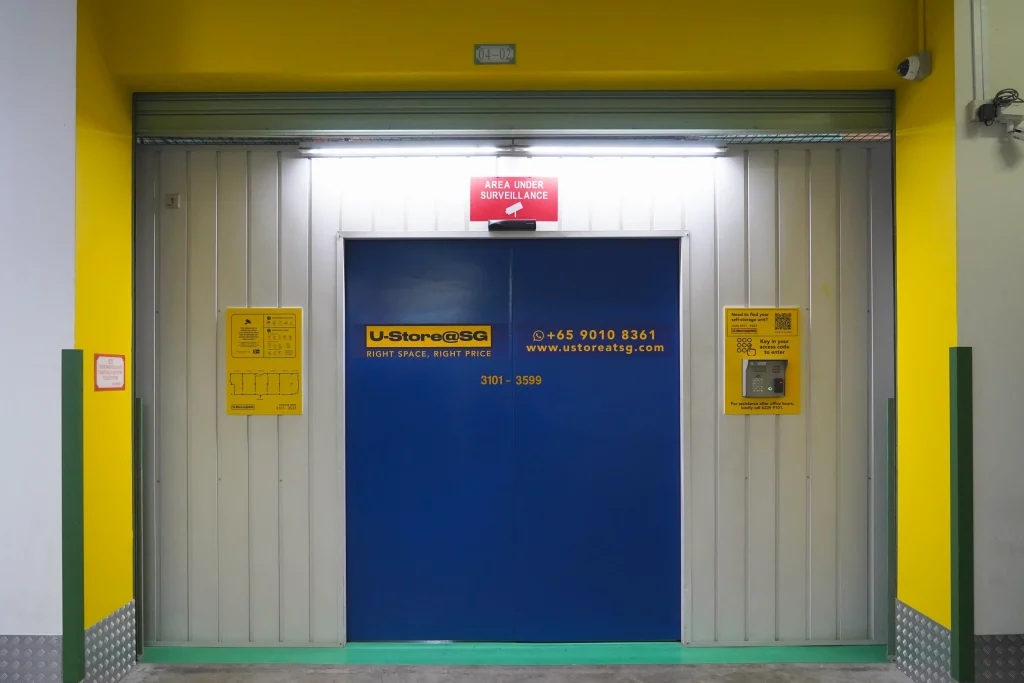
Space in Singapore is precious – and at some point, most of us run out of it.
Maybe you’re in the middle of a house move and need somewhere to keep your furniture throughout, or even after, the renovation. Perhaps your business is growing faster than your storeroom can keep up. Whatever the situation, looking for a self-storage solution makes complete sense.
But here’s the thing: choosing the wrong storage unit can cost you more than you expect – in money, in time and in the day-to-day inconvenience of a space that doesn’t actually work for what you need. The good news is that making the right call isn’t complicated once you know what to look for.
This guide walks you through exactly how to choose the right self-storage unit in Singapore: the right size, the right type, and the right facility; so you’re not paying for space you don’t need or compromising on a solution that falls short.
It’s no secret that space is at a premium in Singapore. With a significant proportion of the population living in HDB flats or small apartments, and SMEs operating out of compact offices and industrial units, the gap between the space you have and the space you need tends to close faster than you’d like.
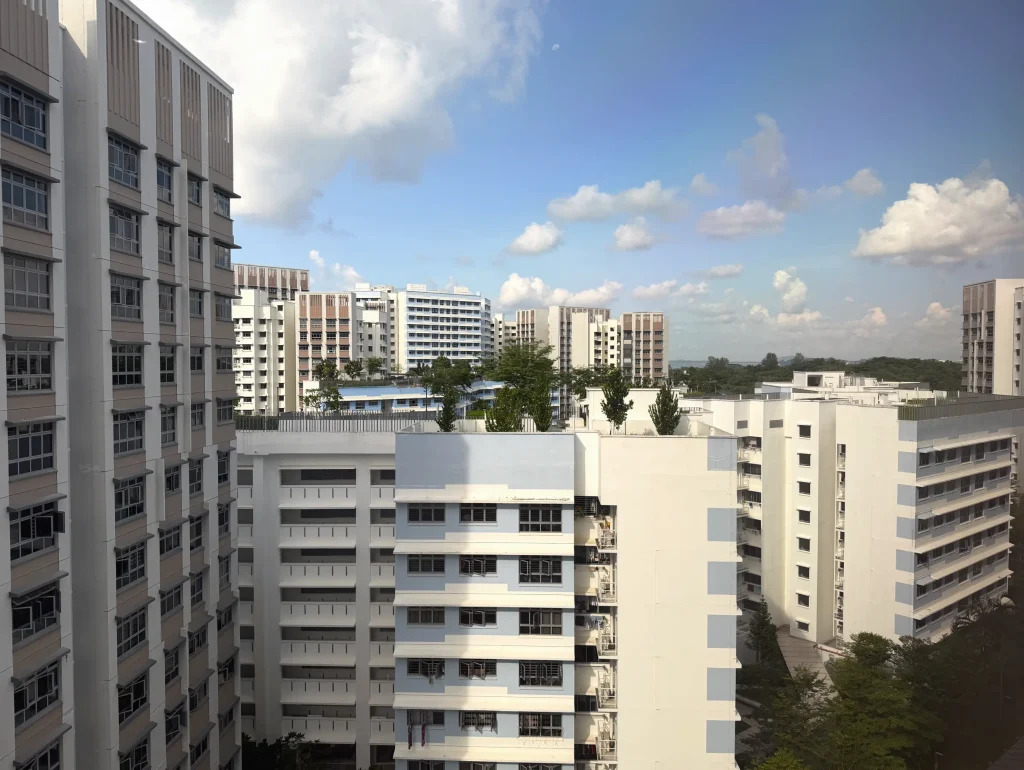
Add in the explosion of e-commerce and home-based businesses, both of which generate a constant need for inventory and fulfillment space, and it’s easy to see why demand for flexible self-storage solutions has grown steadily over the past few years.
For many households and businesses today, it’s a practical, cost-effective way to manage space without committing to larger (and more expensive) premises.
Before you start looking, the first step is getting clear on exactly what you’re storing. Start by making a list, then break it down into categories:
Personal Storage:
Household items, clothing, furniture, seasonal decorations, sports equipment or boxes from a recent move. Think about what’s bulky vs what’s compact, and whether any items are fragile or sensitive to temperature or humidity.
Business Storage:
Stock and inventory, equipment, documents and archival files, sample products or display materials. Business storage often has different access requirements, so you may need to get in and out more frequently than a household user.
Fragile/Sensitive Items:
Electronics, leather goods, artworks, important documents and fabrics all require more careful storage conditions. These will influence whether you need an air-conditioned unit (more on that in Step 3).
One practical tip before you begin: declutter before you store. It’s tempting to pack everything in and sort it out later, but paying monthly rent on items you’ll eventually throw away is a real cost. A little ruthlessness upfront saves money over the course of your lease.
Getting the size right is one of the most important decisions you’ll make, and one of the easiest to get wrong in both directions. Too small and you’re constantly struggling to fit things in or bring things out. Too large and you’re paying for unused, empty space every month.
Here’s a rough guide to help you:
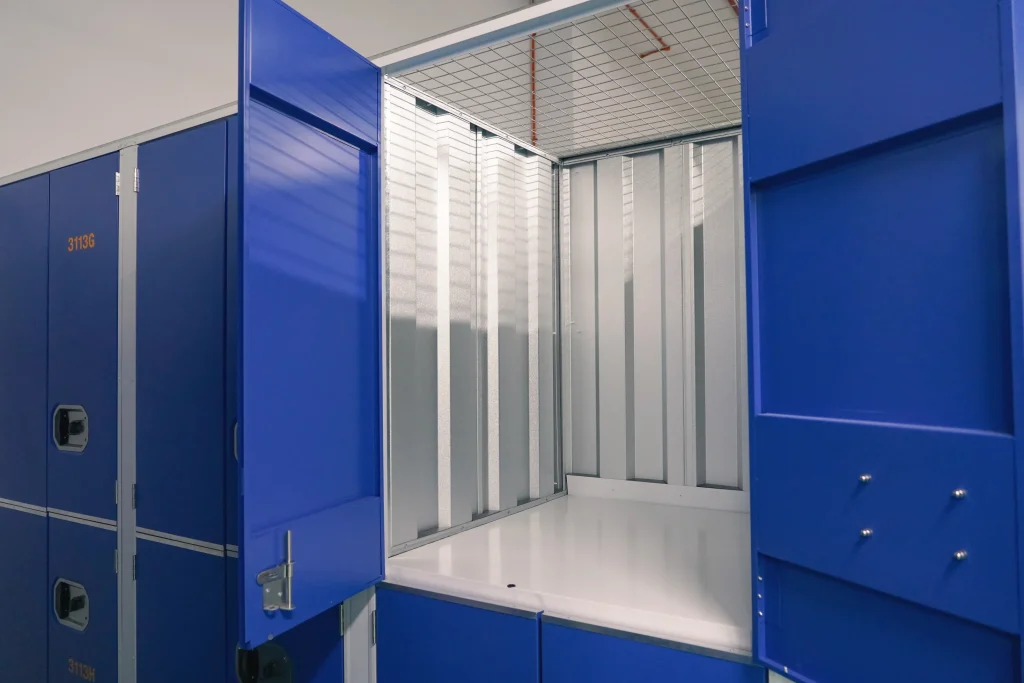
Small/Locker Units:
Well-suited for boxes, documents, small household items and seasonal gear. Think of it as an extension of a wardrobe or a dedicated filing space.
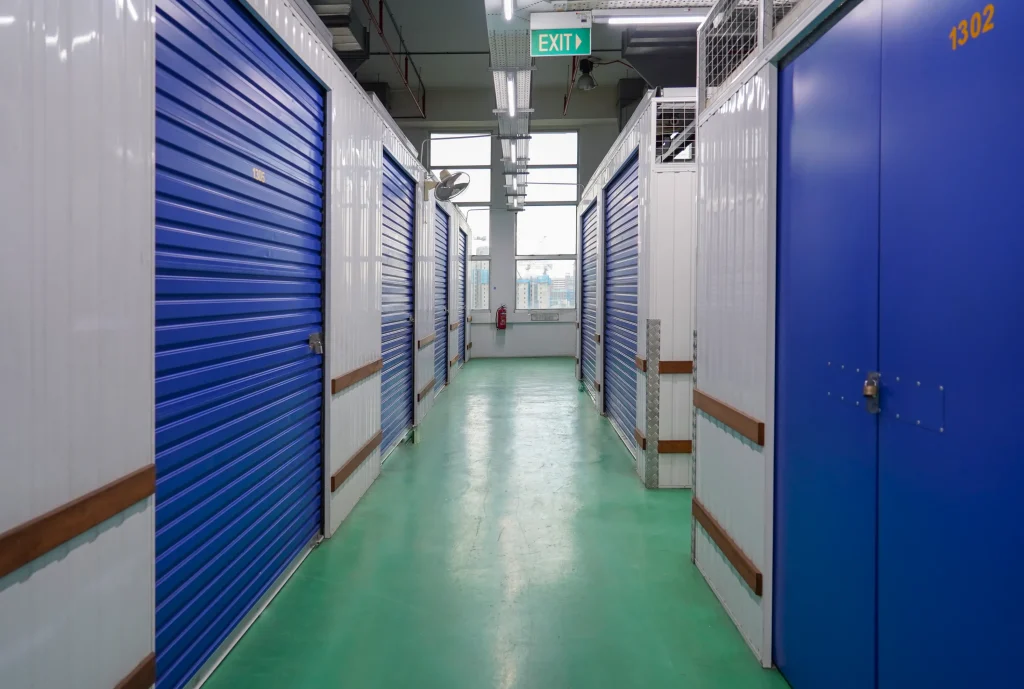
Medium Walk-in Units:
Can comfortably accommodate a small furniture set alongside several boxes. Good for someone clearing a bedroom, a small business with modest inventory or a household in transition.
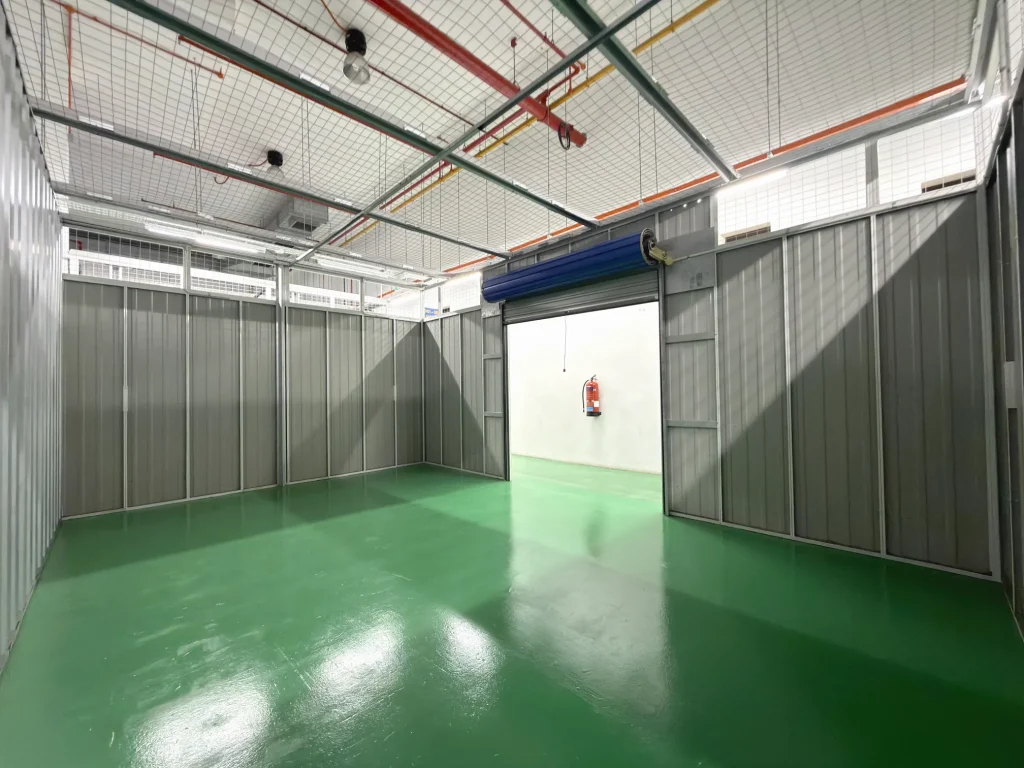
Large Walk-in Units:
Suitable for full room contents, multiple pieces of furniture or business inventory that needs regular replenishment. E-commerce businesses and SMEs will often find themselves in this range.
One useful technique: think vertically. Most people underestimate how much they can store by stacking efficiently using racking units or a well-thought out storage system (using proper, well-labelled stackable containers for example). A smaller unit used well often outperforms a larger one used carelessly.
Not sure which size fits your situation? 👉 Refer to our unit size guide for a more detailed breakdown.
This is a decision that matters more than you might think.
Air-conditioned units maintain a controlled temperature and humidity level throughout the year. In Singapore’s climate, where heat and moisture can quietly damage stored items over time, this makes a meaningful difference for anything sensitive.
Non-air-conditioned units are ventilated but not climate-controlled. They’re more affordable and perfectly adequate for items that aren’t sensitive to humidity or temperature fluctuations. At U-Store@SG, our non-aircon units are more than just open windows. The non-aircon areas in our facility are mechanically ventilated, regularly circulating stale air from inside with fresh air from outside therefore reducing built-up odours and humidity.
Think of this as a cost vs protection decision. If what you’re storing has significant value, whether financial or sentimental, the additional cost of an air-conditioned unit is almost always worth it. For robust, hard-wearing items, non-aircon is an economical and practical choice.
Accessibility is one of the most underweighted factors in storage decisions, and it tends to only become obvious after you’ve already committed. Ask yourself honestly: how often will you need to visit? If you’re running a business and accessing stock multiple times a week, a unit with restricted hours or difficult vehicle access will become a genuine problem fast.
Key things to look for:
24/7 access vs fixed hours:
Some facilities restrict access to business hours. If your schedule is irregular, or you simply want the peace of mind of being able to access your belongings when you need to, 24/7 access is worth prioritising. At U-Store@SG, your unit is accessible 24/7 via unique PIN with round-the-clock manned security and CCTV surveillance.
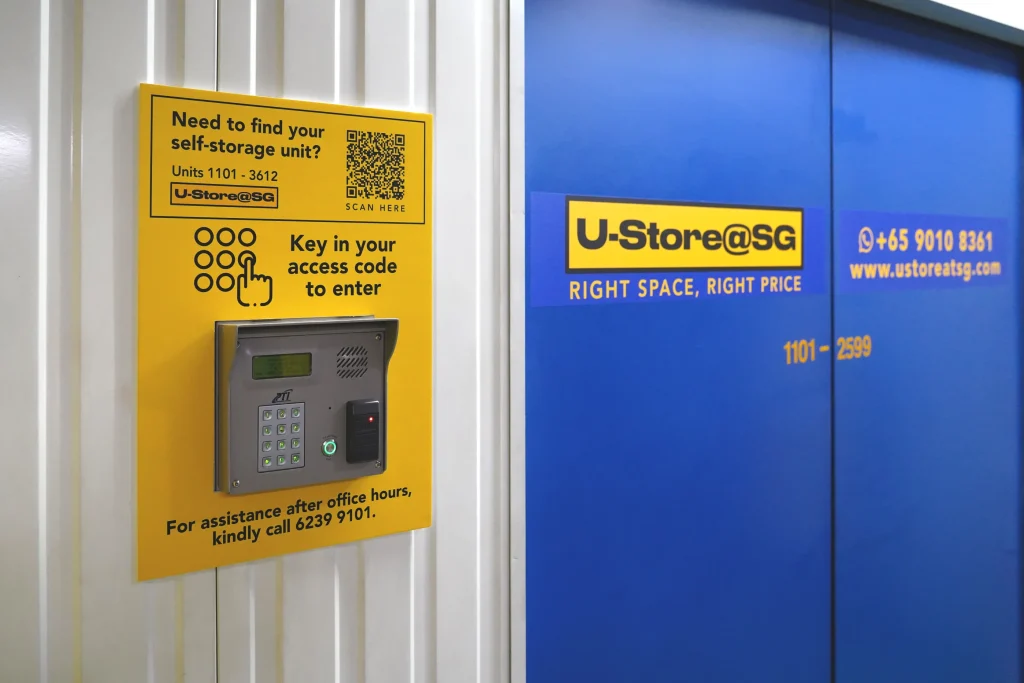
Loading and unloading facilities:
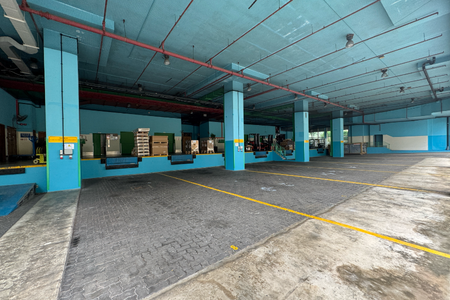
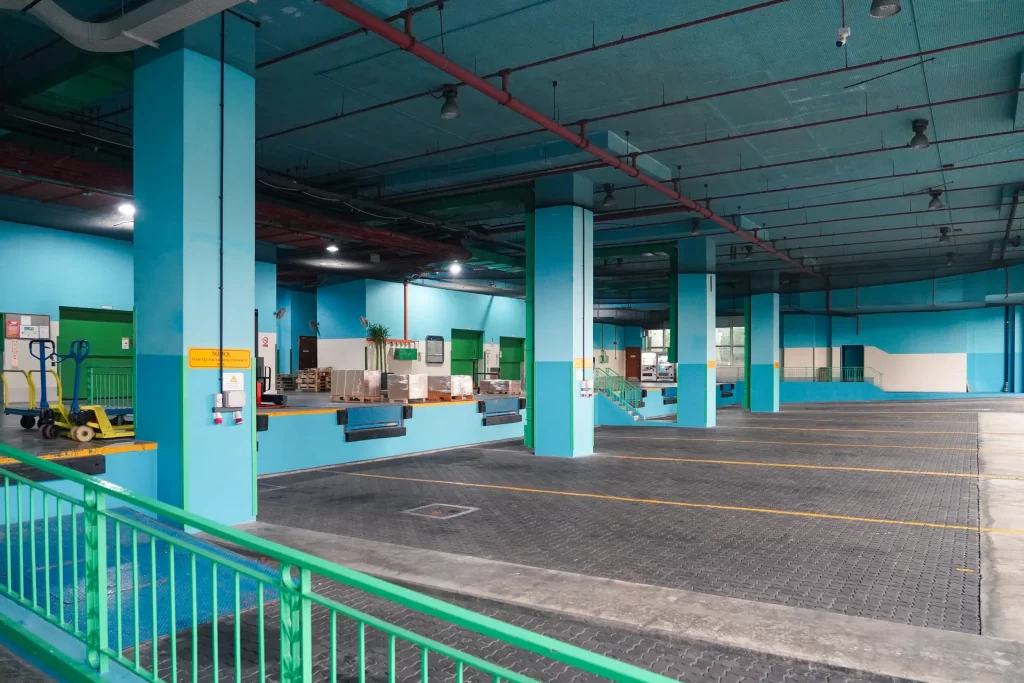
Adequate loading bays, cargo lifts, and trolleys available on-site make moving items in and out far more manageable. This matters especially for business users and for anyone storing large or heavy items. U-Store@SG is directly accessible via our spacious loading bay, with multiple cargo lifts and usage of trolleys.
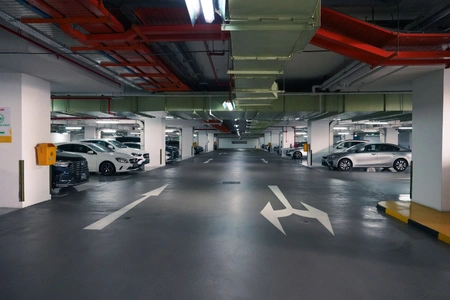
Parking availability:
Easy, affordable parking close to your unit (not a 10-minute walk across an open-air carpark) reduces the friction of every visit. Our basement carpark has ample lots, an EV-charging station as well as direct cargo lift access.
Location balance:
Central locations offer maximum convenience but typically come at a cost premium. Facilities slightly outside the core business districts often offer better value without sacrificing meaningful accessibility, particularly if they’re well-connected to major roads or expressways.
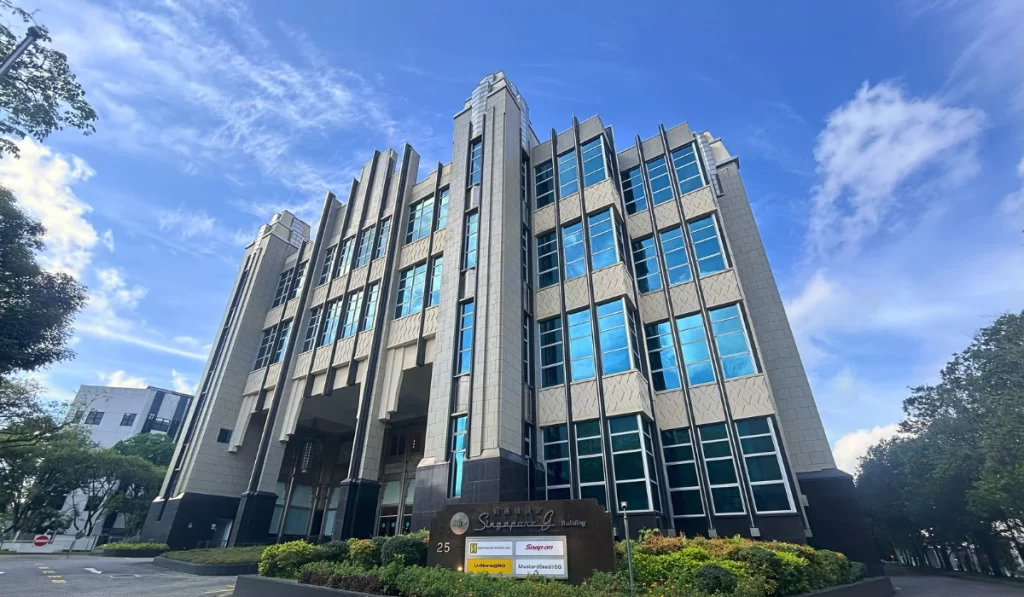
U-Store@SG is positioned to offer exactly this balance: accessible and operationally practical, without the congestion and cost that comes with a purely central or typical industrial location.
Take a virtual tour of our facilities at U-Store@SG.
You’re trusting a facility with your belongings, sometimes valuable or irreplaceable ones. Security should be a non-negotiable checkpoint in your evaluation. Look for:
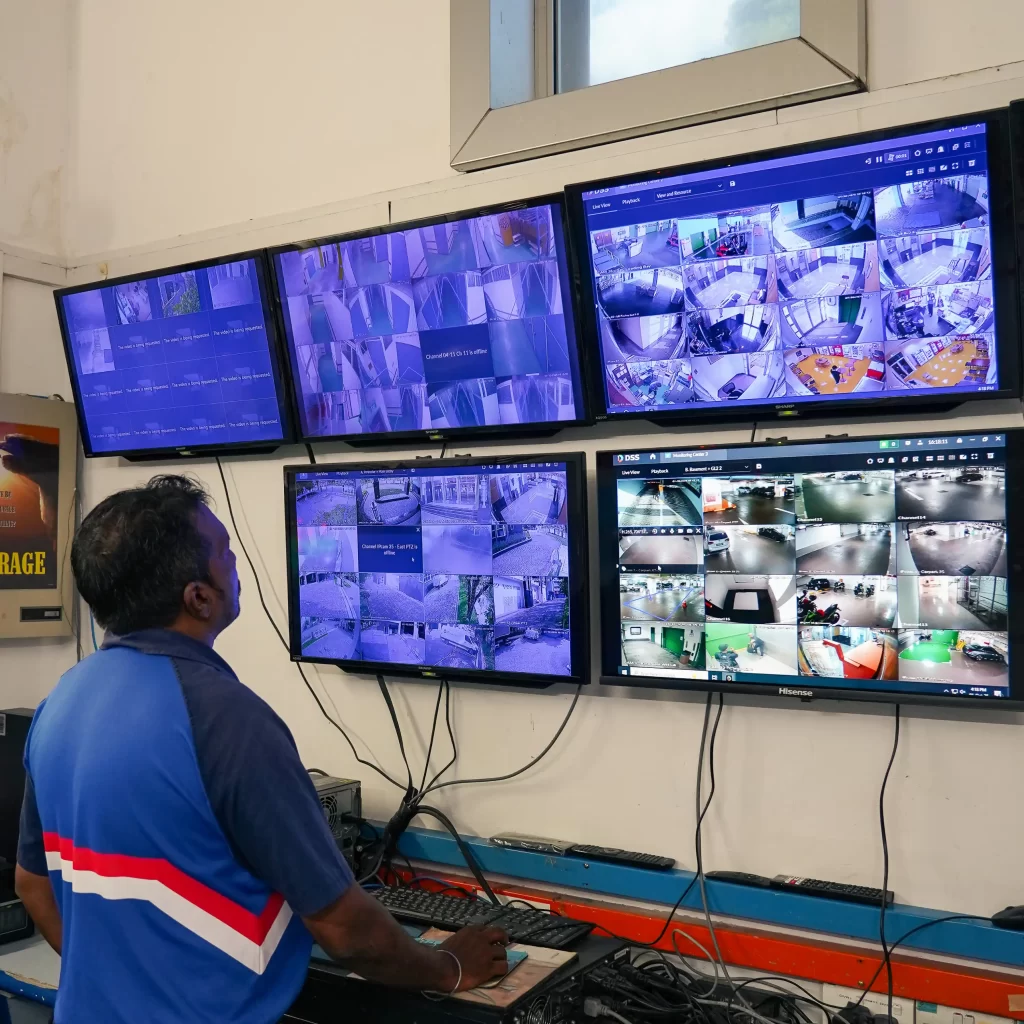
CCTV surveillance + On-site staff or security presence:
Comprehensive camera coverage throughout the facility, not just at the entrance. At U-Store@SG, the facility is monitored by multiple CCTVs, with on-site manned security personnel who work 24/7 to keep your belongings safe.
Individual PIN codes, key cards, or biometric access that limits entry to authorised users only. This matters both for the building overall and for your individual unit. We don’t collect your biometric data here. Users can access the storage facility with a unique PIN, and individual units are physically padlocked.
Good security isn’t just about preventing theft – it’s about peace of mind knowing your items are properly protected.
Storage pricing in Singapore varies based on a handful of factors: unit size, air-conditioned vs non-aircon, location, and lease duration. Getting to grips with the full cost picture, not just the headline rate, is important before you commit.
What drives the monthly cost:
What to watch for: Some facilities advertise attractive base rates but layer on admin fees, security deposits, or compulsory insurance charges that inflate the real monthly cost. Ask explicitly what’s included in the quoted price and what’s charged separately before signing anything.
Flexibility matters: Particularly for personal users and SMEs whose needs change, the ability to move between unit sizes or exit a lease without heavy penalties is genuinely valuable. Look for facilities that offer transparent, flexible terms, not just low entry prices with punishing exit clauses.
👉 Ask about our current pricing and available units for a clear, tailored quotation with no hidden fees.
The small operational details of a storage facility add up to a big part of your overall experience – especially if you’re visiting regularly.
Before committing, ask about or look for:
While these aren’t glamorous considerations, they’re the ones that separate a storage facility you’ll happily use for years from one you’ll be looking to leave within a few months.
A few patterns come up again and again among people who end up dissatisfied with their storage choice:
Choosing on price alone:
The cheapest unit often isn’t the best value. Hidden fees, poor access, weak security, and inadequate conditions can all turn a low headline rate into an expensive mistake.
Renting the wrong size
Overestimating means paying for empty air every month. Underestimating means frustration and potentially a second unit. Take time to measure and estimate properly.
Ignoring accessibility until it’s too late
If you’ll be visiting regularly, the convenience of access matters enormously. Don’t let a low monthly rate override a location or setup that will create daily friction.
Not checking security properly
A cursory glance at a padlock isn’t a security check. Ask specific questions about CCTV coverage, access control, and on-site presence before you decide.
Not thinking ahead
Your storage needs today may not be your storage needs in six months. Consider whether the facility can accommodate a larger unit if required – and whether switching is straightforward.
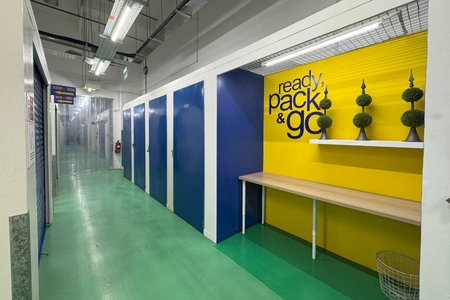
Putting it all together, a self-storage facility worth committing to should offer a combination of things that aren’t always easy to find under one roof: clean, well-maintained units in a range of sizes; a choice between air-conditioned and non-aircon options; strong security infrastructure; flexible lease terms with transparent pricing; and practical on-site facilities that make every visit straightforward.
U-Store@SG, powered by Singapore G, was built with exactly this in mind. Our facility offers multiple storage solutions, from personal self-storage to business inventory space, managed professionally and designed for ease of use. Whether you’re a household looking to reclaim space or an SME managing stock, the operational infrastructure is there to support you.
There’s a lot to consider, but it doesn’t have to be complicated. Here’s the core checklist:
With the right approach, self-storage in Singapore can be a genuinely simple, cost-effective solution, one that lets you reclaim your space whether at home or in your office, reduces clutter, and supports your business operations without adding complexity.
Looking for a self-storage unit in Singapore?
U-Store@SG, powered by Singapore G, offers flexible self-storage solutions in Singapore for households, SMEs, and businesses. Clean, secure, 24/7 accessible facilities with transparent pricing and no hidden fees.
total area
rent
height
available
5 Loading Bays
4 Cargo Lifts
3.4m Ceiling Height
24/7 Security