
Self-storage is not a one-size-fits-all decision, even if it often gets treated like one.
Most people approach a self-storage unit the same way they approach most purchases: they find a size that looks about right, check the price, and go with the cheaper option. That logic makes sense for a lot of decisions. For self-storage however, it can end up costing more than you accounted for, particularly if the items you’re storing are sensitive to temperature or humidity and the environment you’ve put them in isn’t designed to protect them.
The difference between an air-conditioned and a non air-conditioned self-storage unit is more than just comfort. It is about what the environment inside the unit does to your belongings over time. Some items are entirely unbothered by heat and humidity fluctuations. Others degrade quietly and persistently in storage conditions that aren’t right for them, and the damage often isn’t visible until you retrieve them weeks or months later.
This guide explains what each type of self-storage actually provides, which items belong in which environment, and how to make a decision that protects your belongings without paying more than you need to.
Air-conditioned self-storage is a temperature-controlled storage environment that maintains a stable, consistent indoor climate throughout the year. In Singapore’s context, where ambient temperatures regularly sit above 30°C and humidity levels are persistently high, this distinction matters considerably more than it would in a cooler, drier climate.
It is worth being clear about what air-conditioned storage is and is not. It is not cold room storage. It does not freeze or chill items, and it is not designed for perishable goods or highly temperature-sensitive products. What it does is maintain a comfortable, consistent indoor temperature closer to what you would find in an air-conditioned office or home, while also managing humidity to levels that protect sensitive materials from the moisture-related damage that Singapore’s climate can cause over time.
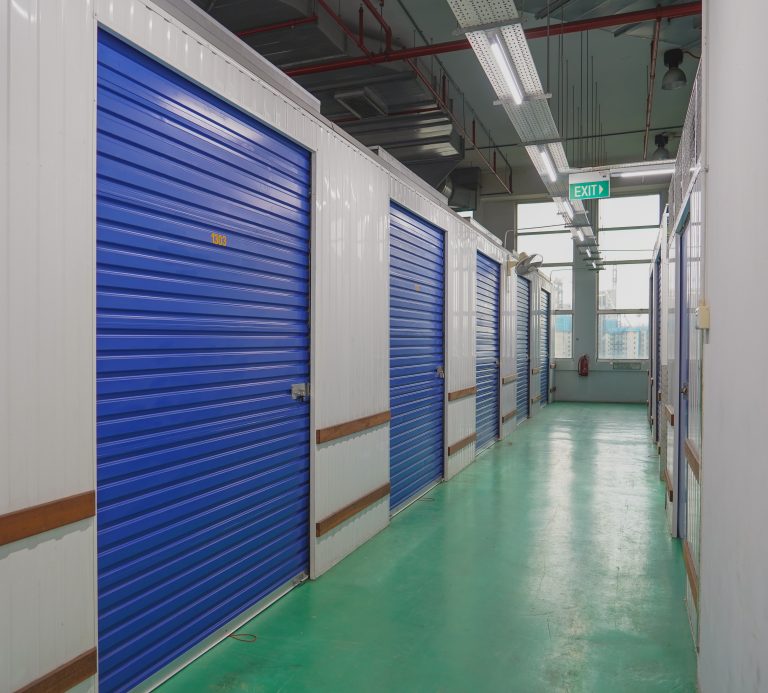
The result is a storage environment that is genuinely protective for items that are vulnerable to heat, humidity, or fluctuating conditions. For belongings that you are storing over a longer period, or that have significant financial or sentimental value, air-conditioned storage provides a level of environmental stability that ambient storage cannot match.
Heat accelerates the degradation of batteries, capacitors, and circuit components. Humidity causes corrosion on connectors and circuit boards. Electronics stored in an uncontrolled tropical environment over a period of months can develop faults that were entirely avoidable with proper storage conditions.
Paper absorbs moisture from humid air, which leads to warping, yellowing, and the growth of mould and mildew over time. Original documents, legal records, contracts, and business archives are difficult or impossible to replace and deserve the protection of a controlled environment.
The same humidity-related risks that affect documents apply to books: cover warping, page yellowing, foxing (the brown spots that appear on aged paper), and mould growth along the spine and between pages.
Photographs are among the most humidity-sensitive items you can store. Heat and moisture cause colours to fade, images to stick together, and prints to become brittle. Photographs stored in high-humidity conditions can be damaged beyond recovery within a few months.
Leather absorbs moisture and develops mould in humid conditions relatively quickly. Luxury handbags, leather jackets, belts, and shoes stored in an uncontrolled tropical environment are particularly vulnerable, and the damage is often expensive to remediate.
Wooden instruments are especially sensitive to humidity fluctuations, which cause swelling, warping, and cracking. Even instruments with synthetic components can suffer adhesive failure, tuning instability, or mechanical problems in poorly controlled storage environments.
Canvas paintings, works on paper, sculptures with organic or composite materials, and collectibles with paint or lacquer finishes are all vulnerable to humidity and temperature fluctuations. Art storage in a non-controlled environment carries a real risk of permanent damage.
Any item where the cost of damage or replacement significantly exceeds the premium for air-conditioned storage should be in a controlled environment. This is a simple cost-benefit calculation that usually resolves clearly in favour of the better storage option.
USB drives, external hard drives, and optical media all have storage temperature and humidity specifications that ambient Singapore conditions may exceed. For business data backups and archival records, air-conditioned storage is the appropriate choice.
Non air-conditioned self-storage is, at first glance, a straightforward concept: storage without air-conditioning, at ambient temperature. In practice, the quality of non air-conditioned storage varies significantly between facilities, and it is worth understanding what sets a well-designed non air-conditioned unit apart from a basic one.
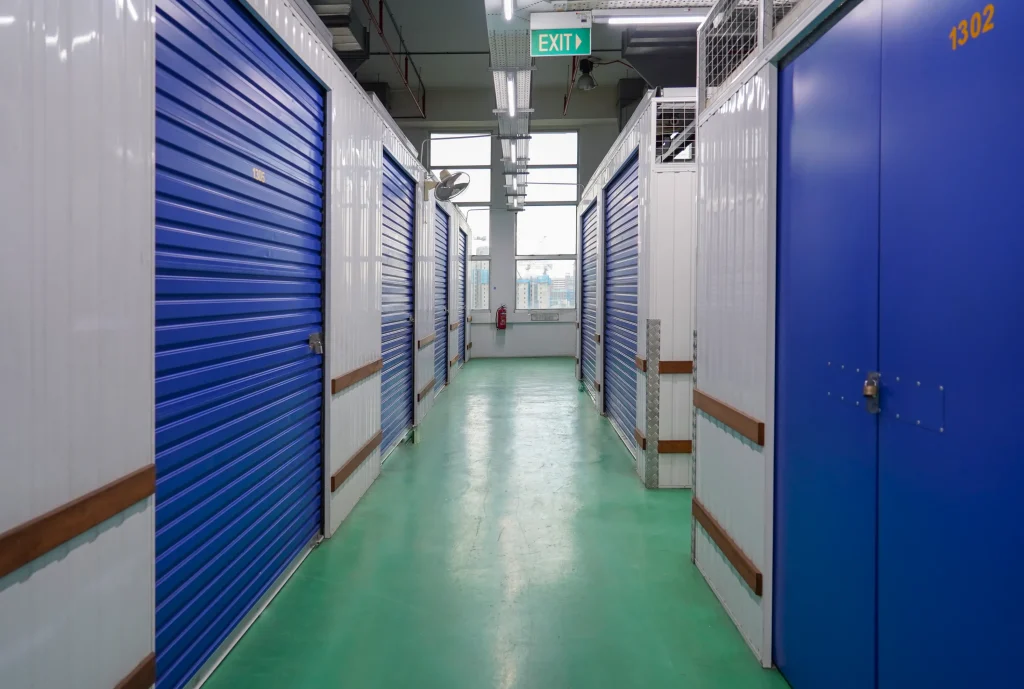
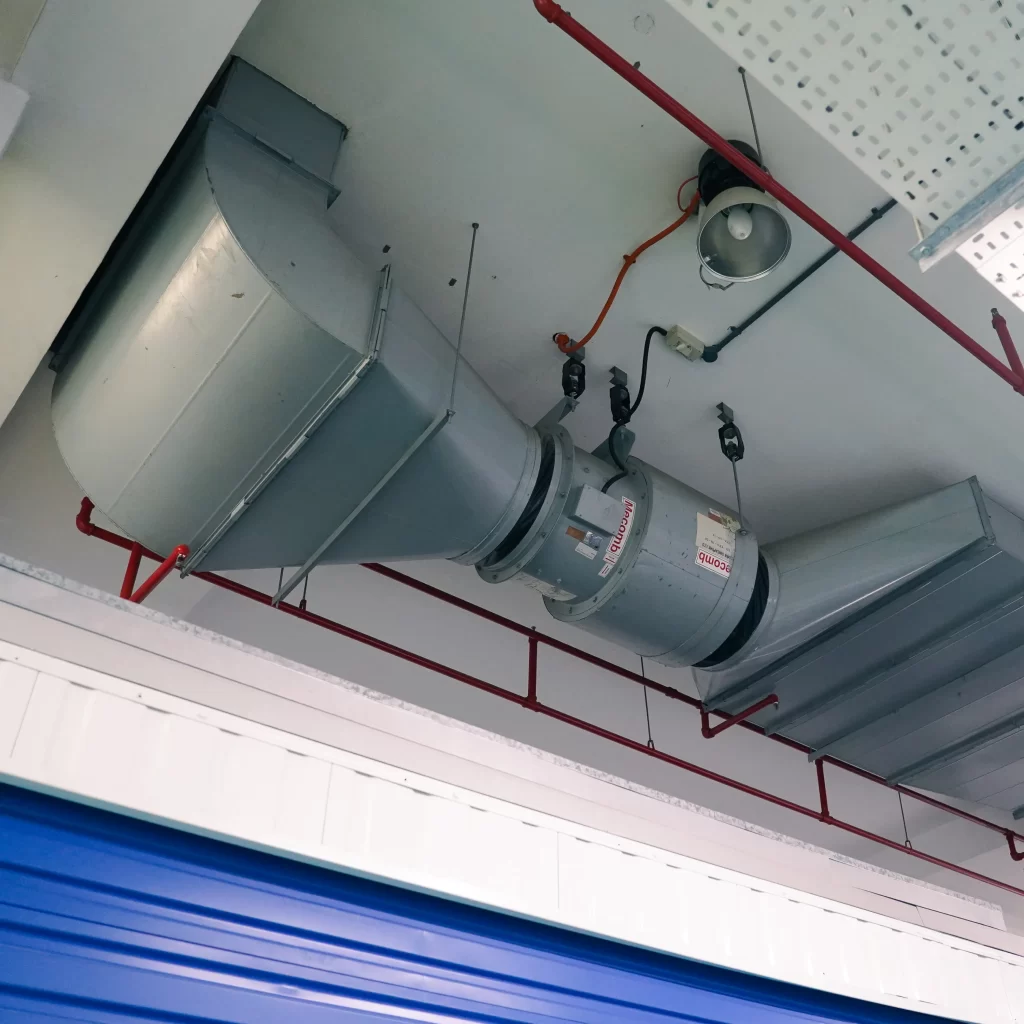
At U-Store@SG, our non air-conditioned storage areas are termed “mechanically ventilated”. This means active mechanical vents continuously extract stale air from inside the storage areas and replace it by pumping fresh air in from outside. All windows are kept closed, preventing external dust from entering and keeping the internal temperature more consistent than it would be if the space were simply open to the air outside.
This is meaningfully different from self-storage facilities that are simply not air-conditioned and rely on passive airflow or no ventilation at all. Stale, trapped air in an enclosed space accelerates the development of mould and creates the kind of musty environment that causes odour transfer and gradual material degradation. Active mechanical ventilation addresses this directly, making our non air-conditioned units a substantially better environment for suitable items than the category name alone might suggest.
For everyday belongings and durable goods that can tolerate normal environmental variation, our non air-conditioned units offer excellent protection at a more economical price point.
Many everyday belongings are entirely suitable for non air-conditioned storage and benefit from little meaningful protection advantage in a climate-controlled unit. For these items, the mechanically ventilated environment of our non air-conditioned units provides appropriate protection at a more accessible price point.
Solid wood furniture with a proper finish, metal furniture, and plastic furniture all tolerate normal environmental variation well. The main consideration for furniture storage is protection from dust and physical damage during loading and storage, both of which are addressed by a properly managed indoor facility regardless of air-conditioning.
Kitchenware, bedding, towels, plastic storage containers, and similar everyday items are durable and largely unaffected by temperature and humidity fluctuation. These are ideal candidates for non-air-conditioned storage.
Bicycles, camping equipment, surfboards, sports bags, and similar items are typically designed to withstand outdoor conditions and have no particular sensitivity to temperature or humidity.
Metal garden tools may benefit from basic protective coating before storage, but the environment itself is not a significant factor for most gardening equipment.
Festive decorations, seasonal clothing stored in proper sealed containers, and similar items that are retrieved a few times a year are well-suited to non-air-conditioned storage. Ensure fabric items are clean and fully dry before packing to prevent mould development during storage.
Stock, packaging supplies, and business inventory that consists of robust, non-sensitive goods are typically appropriate for non-air-conditioned storage. Confirm that the specific goods you're storing have no temperature or humidity requirements before deciding.
Stable, controlled
Ambient, mechanically ventilated
Lower
Higher, but mechanically ventilated to reduce stagnation
Higher monthly rental
More economical
Sensitive, valuable, long-term
Durable, everyday, robust goods
Higher: stable environment
Good: active mechanical ventilation prevents stagnation
Ideal for extended periods
Suitable for durable items
Electronics, documents, leather, artwork
Furniture, household goods, sports equipment
Lower
Active mechanical ventilation reduces risk
The honest answer is that cost-effectiveness depends entirely on what you are storing, not on which unit type is cheaper.
Air-conditioned storage carries a higher monthly rental. For items that genuinely need a controlled environment, this premium is the most cost-effective decision you can make, because the alternative is storing sensitive belongings in conditions that will degrade them over time. Replacing a warped musical instrument, remediating a mould-affected leather collection, or attempting to recover damaged photographs will almost certainly cost more than the difference in monthly rent would have amounted to.
Non air-conditioned storage is the more economical choice for items that don’t require temperature or humidity control. For durable, everyday belongings stored in our mechanically ventilated units, the lower rental reflects the appropriate level of protection for those items rather than a compromise on quality.
The right way to think about cost-effectiveness is not “which unit is cheaper?” but “which unit provides the right level of protection for what I’m storing, at the best value for that level?” That framing usually makes the decision straightforward.
Working through these questions before committing to any commercial space will help you make a decision that fits your business now and gives you room to grow:
Selecting a non air-conditioned unit for sensitive items because it's more affordable is the most common storage mistake. The savings in rent rarely offset the cost of damage discovered months later.
If you're storing a mix of sensitive and durable items in the same unit, the sensitive items should determine the environment type you choose. One damaged irreplaceable item makes the cost differential irrelevant.
Even in an enclosed indoor space, Singapore's ambient humidity is high enough to affect moisture-sensitive materials over time. Items that would be fine in a non air-conditioned facility in a drier country may not store as well as in the same type of facility here.
The reverse mistake is equally worth avoiding. Paying for air-conditioned storage for a collection of plastic garden chairs and outdoor tools is simply unnecessary expenditure. Match the environment to the actual requirements of the items, not to a general sense that more protection is always better.
The storage environment is one variable. The packaging is another. Cardboard boxes left directly on the floor, items wrapped in newspaper (which transfers ink and absorbs moisture), and overpacked boxes that compress fragile items are all common packaging mistakes that can cause damage regardless of the storage environment.
Getting the preparation right before items go into storage makes a significant difference to the condition they’re in when you retrieve them.
Dirt, food residue, and organic matter accelerate mould and pest activity. Items going into storage should be clean and, where applicable, properly conditioned or treated.
Moisture trapped inside a storage unit is a more significant risk than external humidity. Damp fabric, recently washed items, and anything that has been exposed to water should be fully dry before packing.
Sturdy plastic bins with proper lids are preferable to cardboard boxes for most storage applications, particularly for longer periods. Cardboard degrades in humid conditions and offers less structural protection if items are stacked.
"Boxes" is not a useful label. "Kitchen items, Level 2, Unit 3" is. Clear labelling makes retrieval significantly easier and reduces the chance of rummaging through everything to find what you need.
Boxes packed beyond their structural capacity are liable to fail when stacked. Pack to a weight that can be lifted and stacked safely, and fill gaps with packing material to prevent items shifting.
Bubble wrap, packing paper, and foam inserts are worth the effort for anything breakable. Stack heavier items at the bottom and lighter ones on top, both within boxes and when stacking boxes in the unit.
A unit packed to the walls without any internal access space means disturbing everything to reach anything at the back. Leave a clear pathway to items you may need to retrieve during the storage period.
Running through a few straightforward questions will help you land on the right choice:
Q: Are the items valuable, financially or sentimentally?
Q: How frequently will you need to access the unit?
If replacing or repairing them would be costly or impossible, the protection of air-conditioned storage is justified.
Both unit types are accessible, so this is less a deciding factor and more a practical consideration for how you organise the unit itself.
Q: Are the items sensitive to heat or humidity?
Q: Are the items durable and robust?
Electronics, documents, leather, photographs, artwork, and musical instruments all fall into this category. Air-conditioned storage is the right environment for these.
Furniture, general household goods, sports equipment, and packaging materials tolerate normal environmental variation well and are suited to non-air-conditioned storage.
Q: How long do you plan to store them?
Q: Could you replace them easily if something went wrong?
The longer the storage period, the more the cumulative effect of environmental conditions matters. For storage beyond a few months, sensitive items should be in a controlled environment without question.
If the answer is yes, non air-conditioned storage for appropriate items is a reasonable and cost-effective choice.
If the answer is no, err on the side of the more protective environment.
The practical value of having all of these options within one facility is that businesses can scale within the same building rather than facing a full relocation every time their requirements change. Start with the space that fits today, and grow into what you need next without starting the search over from scratch.
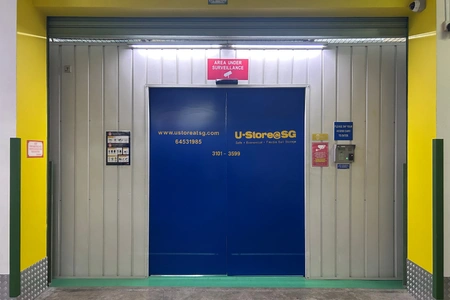
U-Store@SG is Singapore G’s dedicated self-storage facility, located within the Singapore G building and offering both air-conditioned and mechanically ventilated storage units across a range of sizes.
Air-conditioned units are available for individuals and businesses storing sensitive, valuable, or long-term items that require a stable, humidity-managed environment. Non air-conditioned units provide our mechanically ventilated storage environment for durable, everyday belongings at a more economical price point.
Units are available in a range of sizes, from smaller configurations suited to boxes, documents, and personal items, through to larger units capable of accommodating full room contents or business inventory. Flexible rental periods are available for both personal and business storage, with no requirement to commit to a long fixed term before you’ve had a chance to assess whether the setup works for you.
For an overview of unit types, sizes, and current availability, visit the U-Store@SG website directly, where you can compare options and get in touch with the team for a recommendation tailored to your specific storage needs.
Neither air-conditioned nor non-air-conditioned storage is universally the better option. The right choice is determined entirely by what you’re storing, how long you’re storing it, and what level of environmental protection those specific items require.
Air-conditioned storage is the right choice for sensitive, valuable, or irreplaceable items where temperature and humidity control matters. Non-air-conditioned storage, particularly in a facility with active mechanical ventilation like U-Store, is a practical and cost-effective choice for durable, everyday belongings that tolerate normal environmental variation.
Match the environment to the items. It is a straightforward decision once you know what you’re working with.
Ready to find the right storage unit?
U-Store@SG is the self-storage facility within Singapore G, offering air-conditioned and mechanically ventilated self-storage units in a range of sizes. Flexible rental terms plus free insurance provided for both personal and business storage needs.
total area
rent
height
available
5 Loading Bays
4 Cargo Lifts
3.4m Ceiling Height
24/7 Security