
Cold Room Storage in Singapore: What Businesses Need to Know
Not every product can sit on a warehouse shelf and wait.
Fresh produce, dairy, seafood, cut flowers, frozen ingredients, certain specialty products: these are goods that require controlled conditions from the moment they arrive until the moment they leave. For the businesses handling them, storage isn’t just a logistics question. It’s an operational one.
Get it right and your inventory is protected, your supply chain is reliable, and your products reach the end customer in the condition they’re supposed to. Get it wrong and the costs show up quickly, in spoilage, in compliance problems, and in the kind of customer-facing issues that are difficult to recover from.
For businesses that don’t operate their own cold room, renting dedicated chilled or frozen storage is the practical alternative. But choosing a cold room storage facility involves considerably more than finding an available space at the right monthly price. Temperature reliability, redundancy, regulatory suitability, logistics access, and hygiene standards all matter, and they all vary between facilities in ways that aren’t always obvious until you’re already a tenant.
This guide covers what businesses need to understand before committing to cold room storage in Singapore: the difference between chiller and freezer facilities, who actually needs dedicated cold storage, what separates a well-run facility from a basic one, and the questions worth asking before you sign anything.
Sections:
- 1. What Exactly Is Cold Room Storage?
- 2. Chiller or Freezer? Understanding the Difference
- 3. Who Actually Needs Cold Room Storage?
- 4. Beyond Temperature: A Checklist
- 5. Renting a Cold Room vs Building Your Own
- 6. Cold Room Questions Worth Asking Before You Sign
- 7. Cold Room Storage at MustardSeed@SG
What Exactly Is Cold Room Storage?
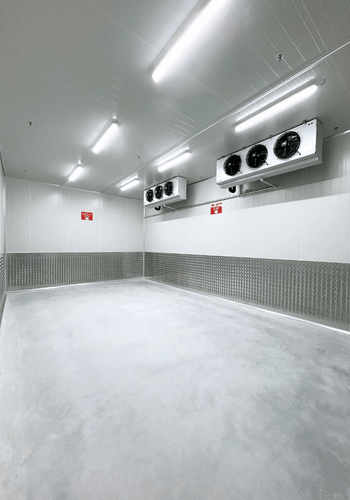
A cold room is an enclosed, temperature-controlled space designed to maintain goods within specified temperature ranges over a sustained period. That sounds straightforward, but it’s worth being clear about what distinguishes commercial cold room storage from the alternatives that businesses sometimes try to use as substitutes.
Ordinary warehouse storage operates at ambient temperature. In Singapore’s climate, that means consistently high heat and humidity: conditions that accelerate the deterioration of any product with temperature sensitivity. Air-conditioned self-storage units maintain a comfortable indoor environment and offer meaningful protection for items like documents, electronics, and leather goods, but they are not designed to maintain the specific, controlled low temperatures that food, specialty and other perishable products require. Domestic refrigeration handles small quantities for short periods, but it is not built for business-scale inventory management or the consistent performance that a commercial operation depends on.
Commercial cold rooms are purpose-built for businesses storing larger quantities of temperature-sensitive products over extended periods. The infrastructure, the monitoring systems, and the maintenance protocols are all designed around consistent performance rather than convenience.
There are two main categories of cold room relevant to most businesses evaluating their options: chiller rooms and freezer rooms.
Chiller or Freezer? Understanding the Difference
The distinction matters more than it might initially seem. Placing products that require chilled storage in a freezer environment, or products that should be frozen in a chiller, can compromise quality, accelerate spoilage, or affect compliance with storage specifications.
Consideration
Chiller Room
Freezer Room
Environment
Chilled, above freezing
Sub-zero, frozen
Typical Products
Fresh produce, dairy, beverages, flowers, selected ingredients
Frozen food, meat, seafood, frozen ingredients
Main Objective
Slow down deterioration while maintaining freshness
Preserve products for a longer period of time through freezing
Suitable Businesses
F&B operators, florists, distributors, caterers, importers
F&B suppliers, importers, distributors, food manufacturers
The right choice is determined by the storage specifications of the product, not simply by whether it “needs to be kept cold.” Before evaluating any facility, businesses should establish the specific temperature range their products require. That information shapes every subsequent decision about which type of space is appropriate.
Who Needs Cold Room Storage?
Rather than mapping cold room storage to industries, it’s more useful to think about the business situations where dedicated cold room rental becomes a practical necessity.
Your existing refrigeration capacity has been outgrown
Many businesses start with commercial refrigerators or small freezer units on-site. As volumes grow, that infrastructure stops being adequate. Renting additional cold room space is often a more practical short-term response than immediately investing in new refrigeration equipment, particularly for businesses whose volumes are still growing and whose long-term requirements aren't yet clear.
You're importing or distributing temperature-sensitive products
Larger shipment volumes require somewhere reliable to hold goods between arrival and distribution. For importers and distributors, cold room rental becomes part of inventory planning rather than a separate overhead: the storage facility is where your products live between the point of entry and the point of sale or onward distribution.
You're an F&B business managing seasonal demand peaks
Festive periods, promotional campaigns, and event catering can significantly increase inventory requirements within a short window. Renting additional cold room storage capacity for peak periods allows businesses to fulfil higher demand without permanently expanding their on-site infrastructure or, at the other extreme, turning away orders they could otherwise handle.
Your products require controlled storage conditions as a matter of course
This covers a wide range of businesses: food and beverage operators managing fresh or frozen ingredients, restaurants and caterers preparing for large-scale service, florists managing imported cut flowers with a limited window of freshness, and businesses in the pharmaceutical or healthcare sector where appropriate controlled storage conditions are required for certain products.
Cold room rental can be both a long-term operational requirement and a short-term capacity solution, depending on the nature and stage of the business. What remains consistent is the underlying need: a reliable, temperature-appropriate environment for goods that cannot tolerate ambient storage conditions..
The Part Businesses Often Overlook: Temperature Reliability
Maintaining the Right Temperature Is Not the Same as Reaching It
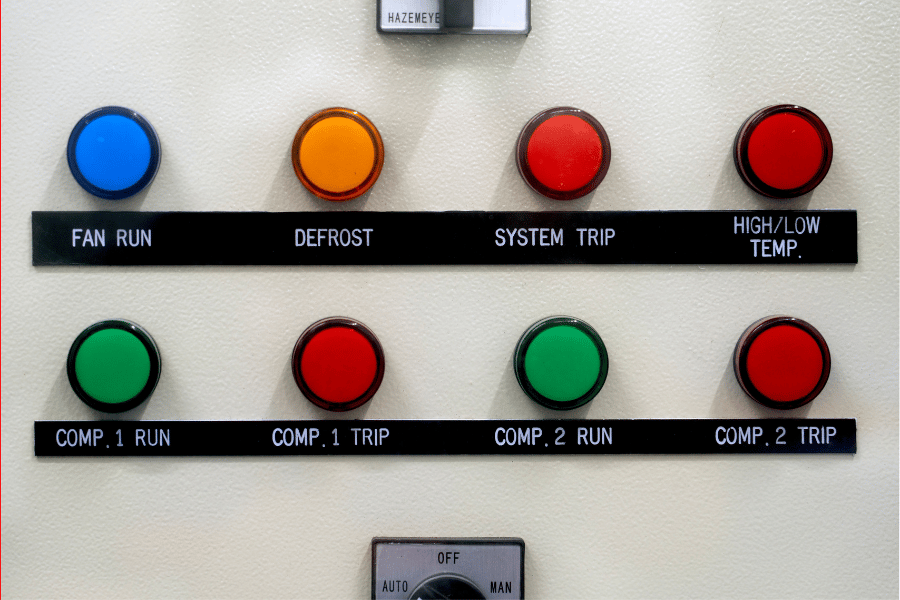
A cold room that can cool to the required temperature is not the same as a cold room that maintains it consistently. The distinction matters because temperature fluctuations can compromise products that have strict storage specifications. For food businesses, this can affect shelf life and food safety. For pharmaceutical businesses, it can affect product viability and compliance.
Before committing to any facility, businesses should understand how temperatures are controlled and monitored, not just what the target temperature range is. Questions worth asking include: what monitoring systems are in place, how frequently temperatures are logged, whether alerts are triggered automatically if temperatures drift outside the specified range, and how quickly the facility’s management can identify and respond to a system issue.
What Happens If the Cooling System Fails?
This is the question that separates well-designed cold store facilities from basic ones, and it’s asked far less often than it should be.
Critical infrastructure in a commercial setting should not rely on a single point of failure. A refrigeration system with no backup provision is a facility where a single component fault can result in the complete loss of temperature control. For a business with significant cold-chain inventory, that scenario is not merely inconvenient. It can mean thousands of dollars of stock loss, operational disruption, and in some cases, compliance implications depending on the nature of the goods stored.
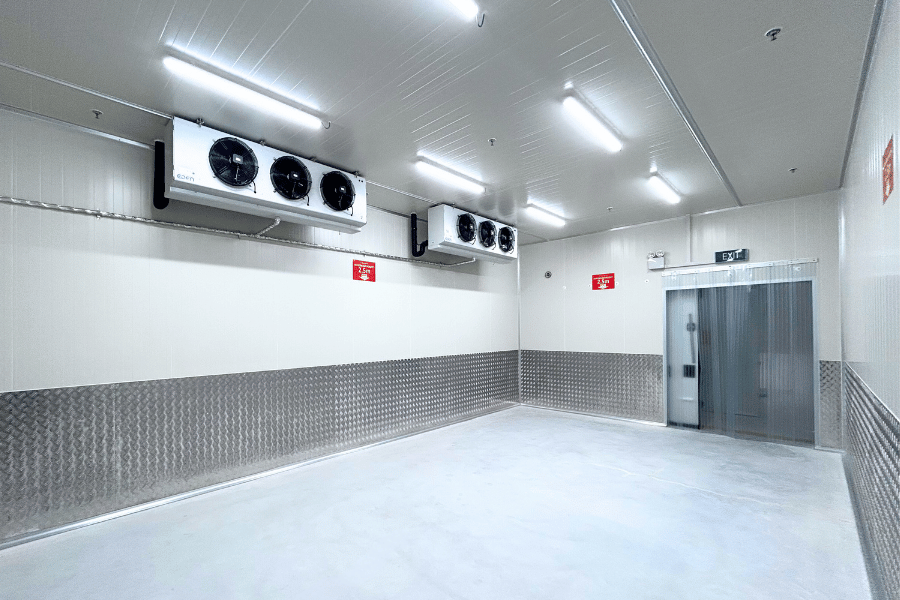
Redundancy in refrigeration is the practical solution: designing the system so that a fault in one component does not immediately compromise the entire cold room. MustardSeed@SG’s ColdStore facility operates with a dual-compressor system in place, providing an additional layer of operational resilience. If one compressor develops a fault, the system continues to maintain temperature while the issue is identified and addressed, rather than leaving inventory unprotected. For businesses evaluating cold storage options, this kind of redundancy is worth asking about explicitly rather than assuming it’s standard across all facilities.
Beyond Temperature: A Checklist
Temperature reliability is the most critical variable in cold room storage, but it’s far from the only one. Here is a practical checklist of the considerations that frequently get underweighted in the initial evaluation.
Regulatory suitability
Businesses handling food products in Singapore are subject to Singapore Food Agency (SFA) requirements for storage conditions. Using a storage facility that is appropriately licensed is part of managing regulatory compliance, not a separate consideration. Businesses should determine whether the facility they're evaluating is suitable for their specific products and activities, rather than assuming that any cold room will meet their requirements.
Hygiene and cleanliness
Low temperatures do not substitute for good hygiene practices. A cold environment can slow the growth of certain bacteria and mould, but it does not eliminate the importance of a clean, well-maintained storage space. When inspecting a facility, pay attention to the cleanliness of floors, walls, and shelving. A well-run cold storage facility maintains high hygiene standards regardless of whether anyone is watching.
Security
Cold room storage often holds high-value inventory. Appropriate security measures, including CCTV coverage, controlled building access, and restricted access to storage areas, are worth confirming rather than assuming. Find out who has access to the areas where your goods are stored and what access control systems are in place.
Loading and unloading logistics
The ease with which goods can move from a delivery vehicle into the cold room, and back out again, affects operational efficiency every time a delivery is made or an order is dispatched. Loading bays, cargo lifts, trolley availability, and the general logistics configuration of the building all contribute to how smoothly that process runs. For businesses with frequent deliveries, this deserves as much attention as the cold room itself.
Access hours
When can tenants access their inventory? Does that align with your operational schedule, including early morning deliveries, late dispatch runs, or weekend activity? A cold room that's only accessible during standard business hours may not suit a business that operates outside them.
Unit size and capacity planning
Cold room rental is typically priced by the unit, and renting significantly more capacity than you need means paying for empty space. At the same time, underestimating capacity can create operational problems if your inventory fluctuates seasonally or is growing. Consider both current requirements and reasonable near-term growth when choosing a unit size.
Location relative to your operations
A cold storage facility is not useful in isolation. It needs to work within your supply chain. Consider where your suppliers are, where your customers or distribution points are, and how the facility's location affects the total cost and time of getting goods in and out. A cheaper facility that adds significant transport time and cost to every delivery may not represent genuine savings
Renting a Cold Room vs Building Your Own
For businesses at a certain scale, building and operating a cold room as part of their own premises is a viable option. Greater control over the environment, direct management of the infrastructure, and no dependency on a third-party facility are genuine advantages.
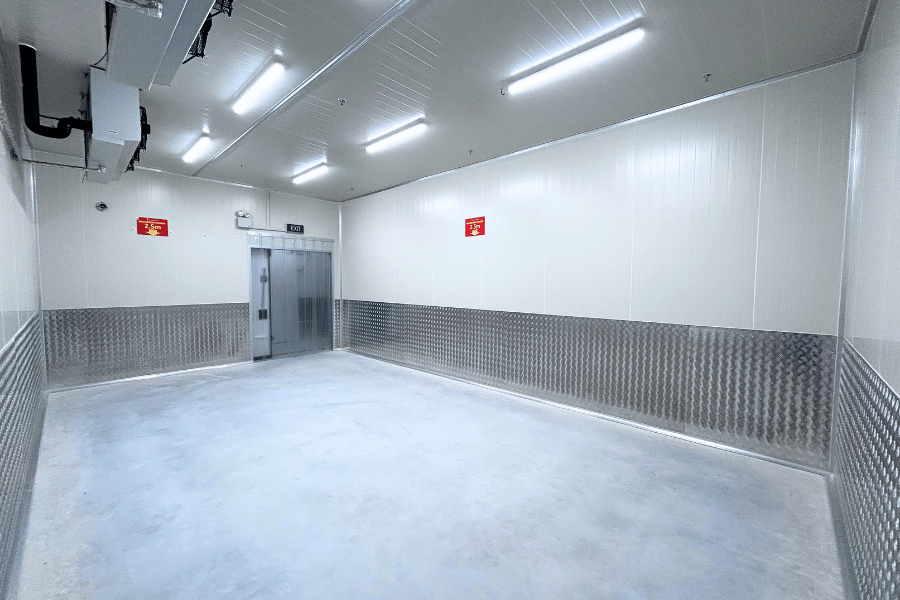
The trade-offs are also significant: substantial capital expenditure for equipment and installation, the need for suitable premises, ongoing maintenance responsibility, and the operational overhead of managing refrigeration infrastructure alongside the core business. If refrigeration systems require repair or replacement, that cost and disruption falls entirely on the business.
Renting cold room space transfers much of that operational responsibility to the facility operator. The infrastructure already exists, the maintenance obligations sit largely with the operator, and the initial commitment is lower. For businesses whose cold room storage requirements may change as they grow, this flexibility is a meaningful practical advantage.
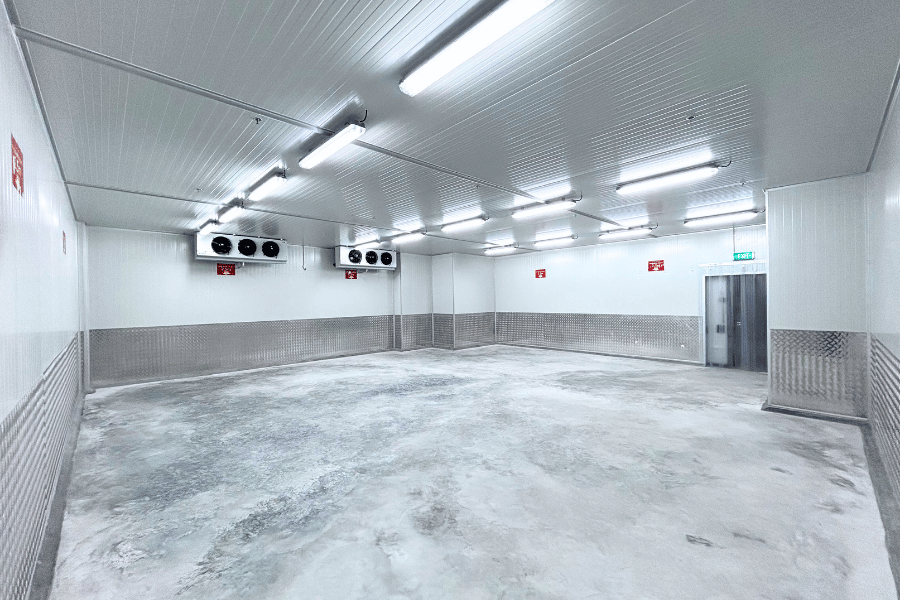
Neither model is universally better. Businesses with very large, permanent, and stable cold store requirements may eventually find that owning their own infrastructure makes financial sense at scale. SMEs, growing businesses, and companies whose volumes are still evolving will generally find that rental offers a more practical and lower-risk entry point.
Questions Worth Asking Before You Sign
A site visit and a price comparison are a starting point, not a due diligence process. Before committing to a cold room rental, work through these questions with the prospective provider:
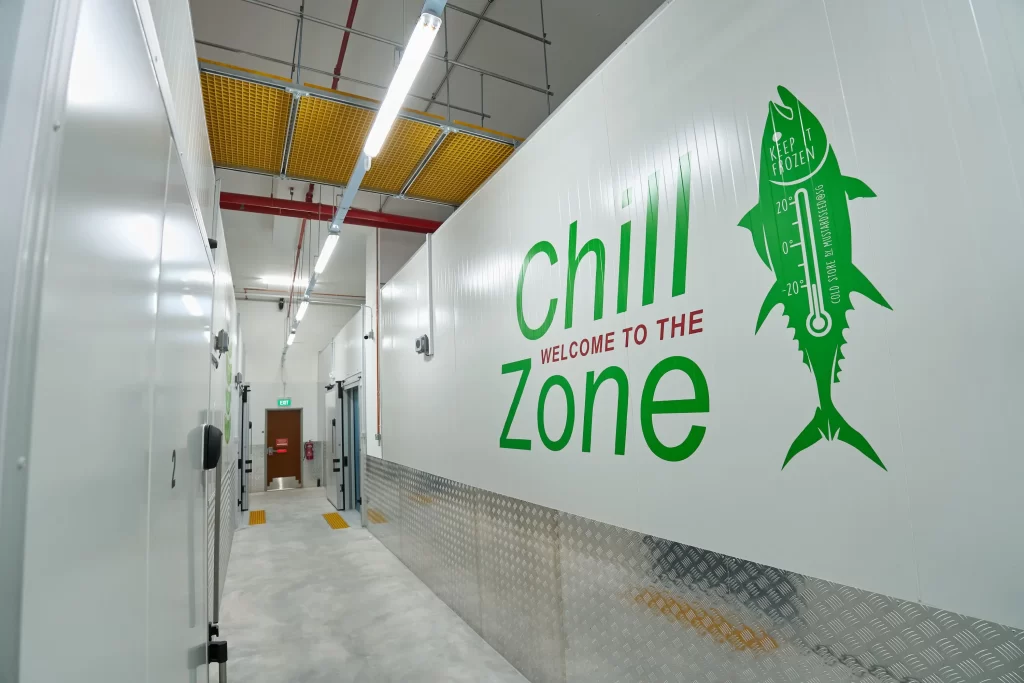
- What temperature range can the facility maintain, and how is this verified?
- Is this facility suitable for the type of products we store?
- What happens if the refrigeration system fails? Is there a backup system?
- Are cold rooms individually temperature-controlled, or is the facility maintained at a single temperature?
- What security measures are in place, and who has access to storage areas?
- What are the access hours, and do they accommodate our operational schedule?
- Are loading bays and cargo lifts available for inbound and outbound goods?
- What unit sizes are available, and can we adjust if our requirements change?
- What is included in the monthly rental, and what attracts additional charges?
- Are there restrictions on the types of products that can be stored?
- What are the lease terms and exit conditions?
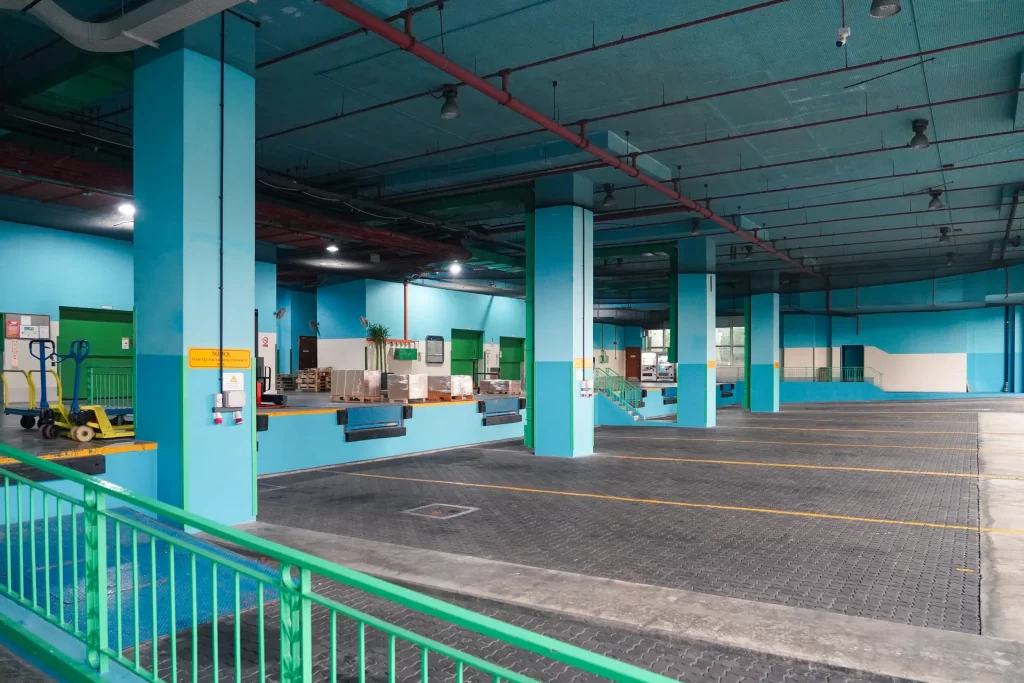
Where possible, inspect the facility in person rather than making a decision based on photographs and a price sheet. The condition of the loading areas, the cleanliness of the cold rooms, the responsiveness of the management team, and the general operational standard of the facility all become visible on a site visit in a way that a listing cannot convey.
Cold Room Storage at MustardSeed@SG
MustardSeed@SG ColdStore is an SFA-licensed cold storage facility located within the Singapore G building at 25 Tagore Lane. It offers individually controlled chiller and freezer rooms in unit sizes ranging from approximately 300 to 1,500 sq ft, providing options for businesses with different inventory volumes and storage requirements.

Each cold room operates with dual compressors, providing an additional layer of reliability against refrigeration system faults. An inspection room is available within the facility for businesses that need a dedicated area for checking or preparing goods. The facility is housed within the professionally managed Singapore G building, with loading bay and cargo lift access to support the logistics requirements of regular incoming and outgoing goods.
The ColdStore is suited to F&B businesses, food distributors and importers, florists, catering operations, and other businesses requiring dedicated cold storage within a licensed, professionally managed facility. The range of unit sizes and flexible lease terms allows businesses to start with the capacity they currently need rather than committing to a larger footprint than the operation currently justifies.
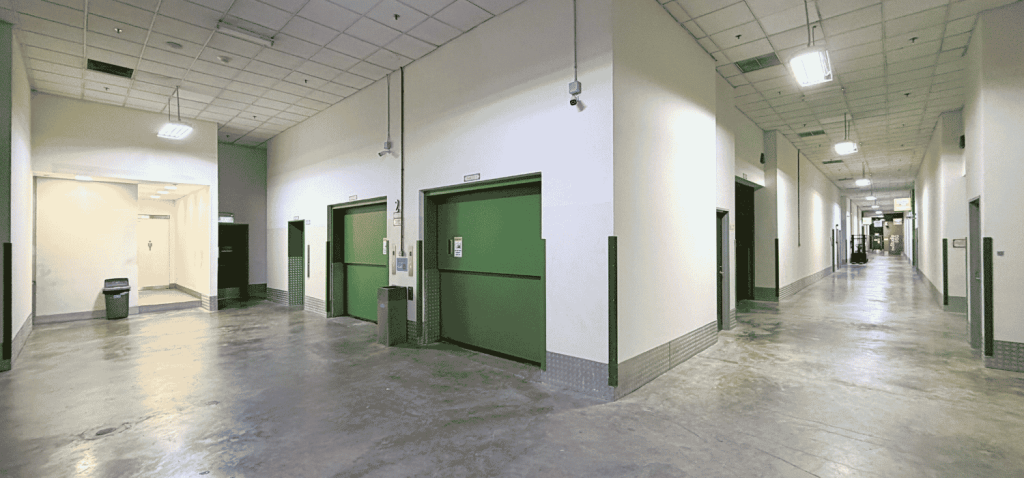
For businesses that also need office space or operational facilities alongside cold storage, the Singapore G building can accommodate that combination within a single location.
Cold Room Storage Is Part of Your Operations, Not Just Your Space
The most important shift in how businesses approach cold room rental is treating it as an operational decision rather than a real estate one.
Square footage and monthly rent matter, but they don’t determine whether the facility will protect your inventory, support your logistics, meet your regulatory requirements, or maintain temperature reliability when your products are on the line. Those outcomes are determined by the quality of the refrigeration systems, the redundancy built into the infrastructure, the hygiene standards maintained throughout the facility, and the accessibility and logistics support that allow your supply chain to function smoothly.
Evaluate the facility against what your inventory actually requires. Ask the questions that reveal how the facility performs rather than just what it costs. And choose a facility where the operational infrastructure matches the standards your products demand.
The right cold storage setup should make inventory management simpler and allow you to focus on running your business rather than worrying about whether your stock is properly protected.
Need dedicated cold room storage for your business?
MustardSeed@SG ColdStore is an SFA-licensed cold storage facility located within the Singapore G building at 25 Tagore Lane. Individual chiller and freezer rooms from approximately 300 to 1,500 sq ft, with dual-compressor systems, loading bay access, and flexible lease terms for F&B, distribution, and temperature-sensitive product businesses.