
Business growth is a good problem to have. But it almost always brings a space problem with it.
Maybe you’ve taken on more staff and the current office feels increasingly cramped. Maybe your inventory has outgrown your storeroom and you’re stacking stock in places that were never meant for it. Or maybe you’ve reached the point where your workspace is actively working against you rather than supporting you, and you know something needs to change.
What’s less obvious is exactly what that change should look like. A larger office? A warehouse? Something that bridges the two? Many businesses approaching this decision assume they know which category they fall into, when in reality the answer depends entirely on how the business actually operates day to day, not on what it sells or what sector it’s in.
This guide breaks down the difference between large offices and warehouses clearly: what each one is designed for, who it suits, and how to decide which is the right fit for where your business is heading.
Commercial space is one of the more significant costs a business carries, and it has a direct impact on how the operation runs at every level.
The right space supports productivity and staff collaboration, makes the right impression on clients, enables smooth operational workflows, and gives the business room to grow without requiring another disruptive relocation in twelve months. The wrong space creates friction at every turn: teams working around a layout that doesn’t suit how they work, operations hampered by inadequate loading or storage infrastructure, or money tied up in square footage that isn’t earning its keep.
Choosing too large too early is a cost problem. Choosing the wrong type entirely is an operational one. Understanding the difference between a large office and a warehouse before you commit is how you avoid both.

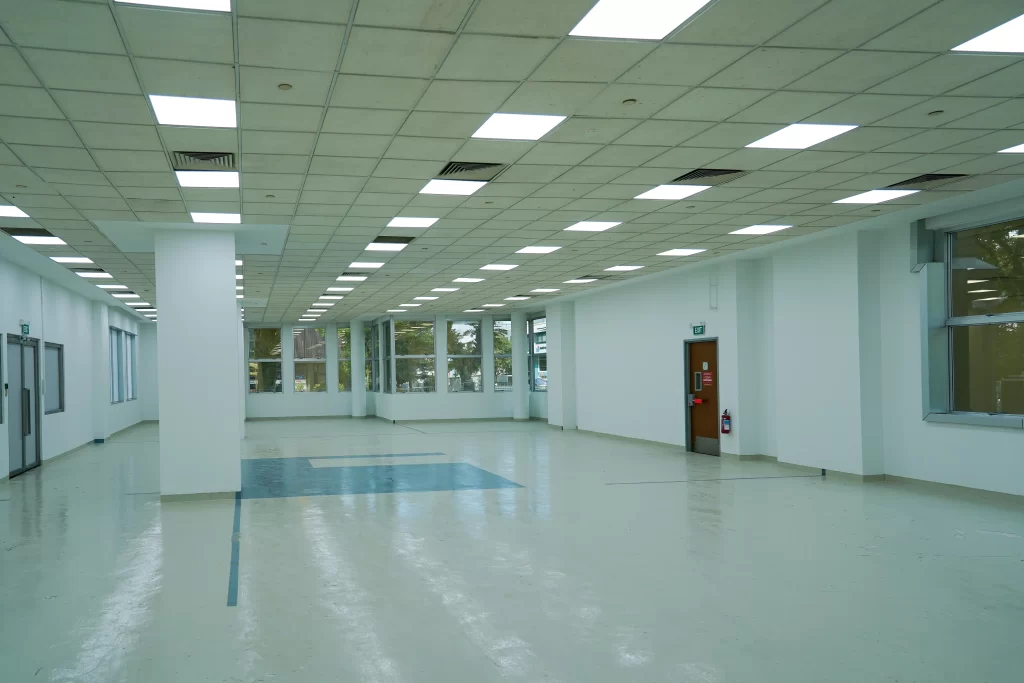
A large office is a dedicated commercial space designed primarily around people: their work, their collaboration, their interactions with clients, and their day-to-day administrative and professional functions.
Large offices are the right environment for businesses where the primary activity is desk-based, client-facing, or team-collaborative. They are built to support the human side of a business rather than the movement or storage of physical goods.
managing multiple departments or business functions
in finance, law, consulting, or accounting
like marketing or technology companies with significant development or product teams
where clients regularly visit for meetings or appointments
that need dedicated space for instruction and administration
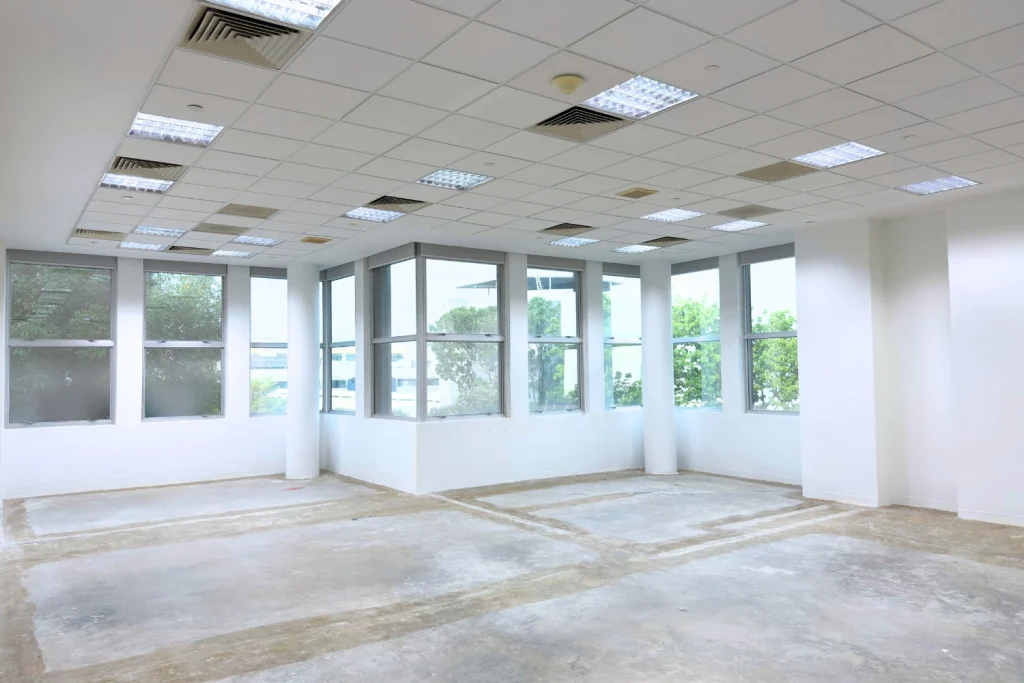
The features of a well-equipped large office reflect this people-first orientation. You would typically expect a reception or entrance area, a mix of private offices and open-plan workstations, meeting rooms in a range of sizes, a staff pantry or breakout area, and good natural light and ventilation throughout. The infrastructure is built around connectivity, comfort, and professional presentation rather than loading capacity or storage volume.
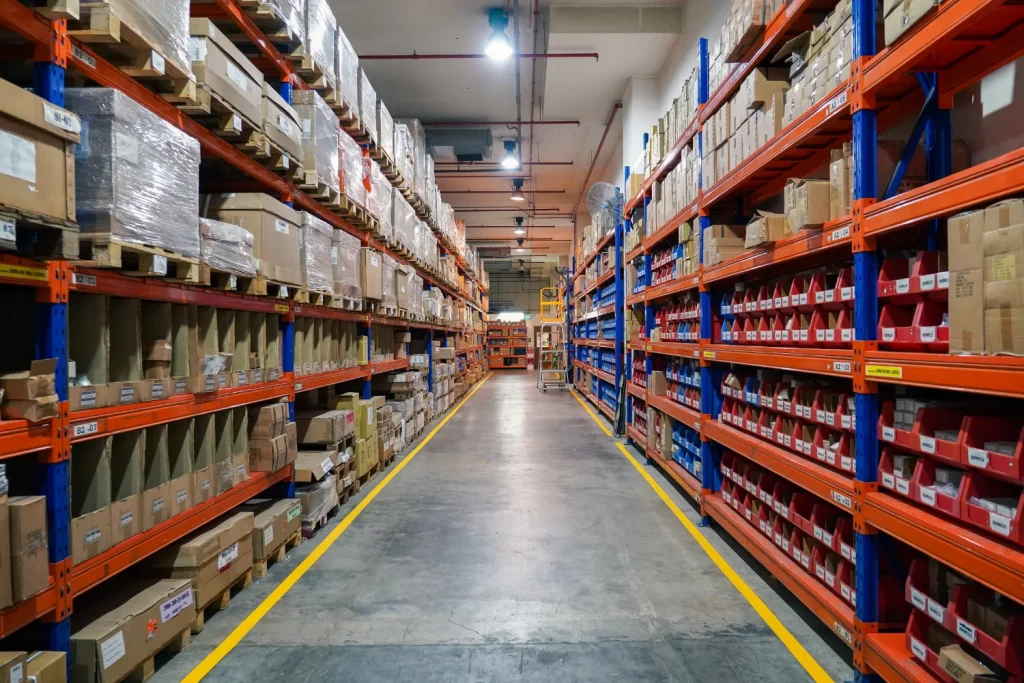
A warehouse is a commercial or industrial space designed primarily around goods: their storage, movement, handling, and distribution. Where a large office is built for people, a warehouse is built for operations.
Warehouses are the right environment for businesses where a significant part of the daily activity involves receiving, storing, processing, or dispatching physical products.
for importers, distributors, and wholesalers
handling inbound stock and outbound order dispatch
like logistics and freight businesses managing high-volume goods flow
holding large quantities of stock between the supplier and the shop floor
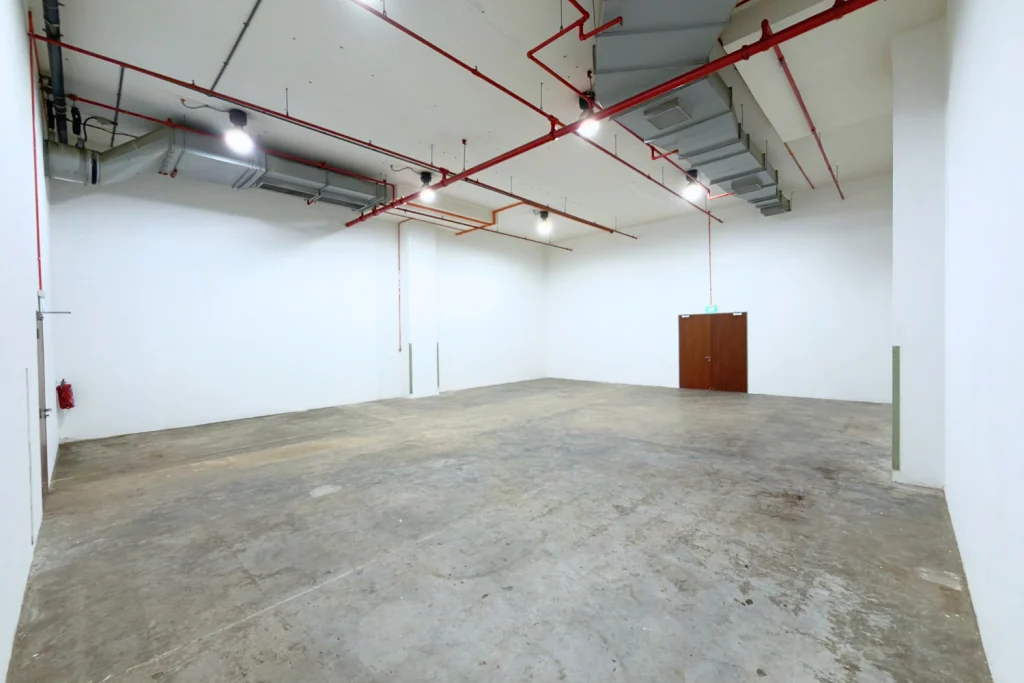
The features of a well-equipped warehouse reflect this operational orientation: high ceiling clearance for racking and vertical storage, large open floor plates for goods movement and equipment, dedicated loading bays for trucks and delivery vehicles, cargo lifts for multi-storey buildings, and robust utility provisions for equipment and operational systems.
The emphasis throughout is on operational efficiency: how quickly and smoothly goods can move in and out, how effectively the space allows inventory to be organised and accessed, and how well the logistics infrastructure supports the volume and frequency of goods movement the business requires.
People, administration, collaboration
Goods, storage, logistics, operations
Workstations, meeting rooms, reception
Open floor plate, racking, operational zones
Standard commercial
High: suited to racking and vertical storage
Not typically required
Loading bays, cargo lifts, dock access
Low: not designed for inventory
Low: not designed for inventory
Common and expected
Common and expected
Standard office: power, aircon, internet
Standard office: power, aircon, internet
High: designed for daily occupancy
High: designed for daily occupancy
Professional services, agencies, corporates
Professional services, agencies, corporates
Team-focused, client-facing businesses
Operations-heavy, goods-focused businesses
A large office is the right choice when the core of your business activity is desk-based, collaborative, or client-facing, and when your team is the primary asset rather than your inventory.
You should be looking at large office space if:
where your current setup no longer provides adequate desk space, meeting rooms, or breakout areas for effective daily work
regularly and need to present a professional, well-equipped environment
to collaborate effectively but also need some separation for focus and privacy
like your corporate presence and physical environment as they matter to the clients you serve
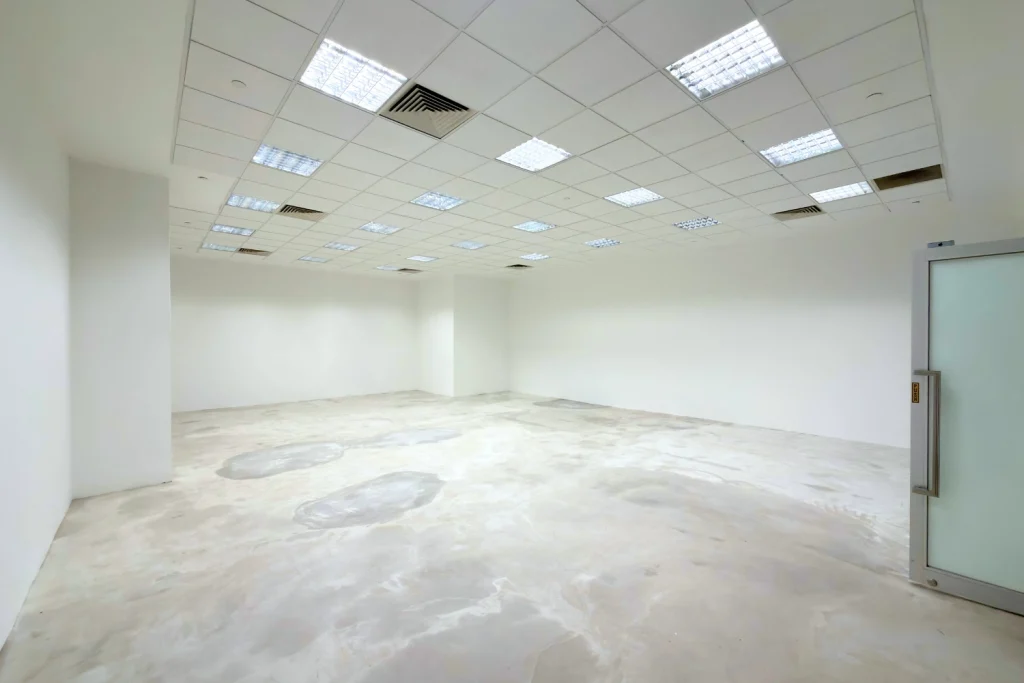
Businesses that typically find large offices the natural fit include:
If the people in your business are the primary engine of what you deliver, and the space needs to support how they work and how they meet clients, a large office is built for exactly that.
A warehouse is the right choice when physical goods are central to how your business operates and when the volume or nature of those goods exceeds what a standard office or storage unit can practically handle.
You should be looking at warehouse space if:
that they require dedicated floor space with proper racking infrastructure
that need loading bay access to manage efficiently
picking, packing, sorting, or processing physical goods as a core business activity
that requires industrial-standard utility provisions and floor loading capacity
Businesses that typically need warehouse space include:
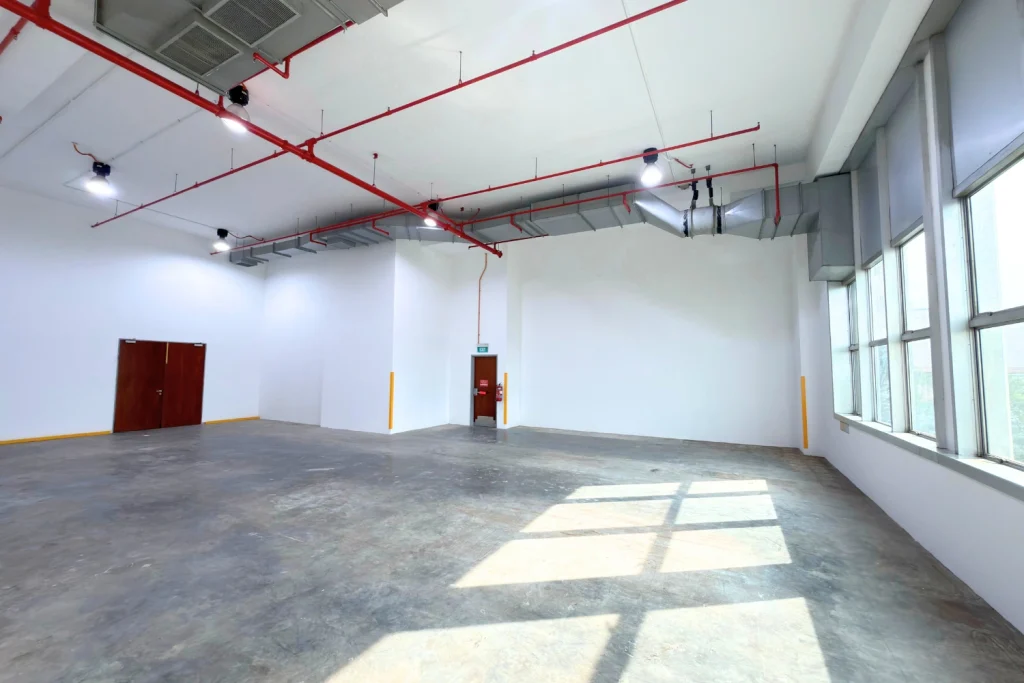
If your business moves, stores, or processes goods at a volume that makes operational logistics a daily priority, a warehouse built for that purpose will make your operation substantially more efficient than trying to make a standard office or storage unit work.
The answer is yes, and more businesses find themselves in this position than you might expect.
A growing distributor, for example, might have a sales team, a finance function, and a management team whose work is entirely desk-based and benefits from a proper office environment. They also have a warehouse team managing inbound shipments, organising inventory, and processing outbound orders, whose work requires loading infrastructure, high ceiling clearance, and large open floor space. Neither function can be meaningfully housed in the other’s space without significant compromise.
Similar patterns appear across e-commerce businesses with significant operational teams, import businesses with both commercial and logistics divisions, and retail groups managing back-office functions alongside large product holdings.
When a business reaches the point where both office and warehouse functions are genuinely substantial, the most efficient approach is usually to house them in close proximity, ideally within the same building or facility. The coordination benefits of having the sales team and the warehouse team in the same physical location are significant, as is the reduction in logistical overhead that comes from not managing two separate premises.
Working through these questions before committing to any commercial space will help you make a decision that fits your business now and gives you room to grow:
How many people are you housing today, and where is that number likely to be in twelve to twenty-four months? A space that is perfect for today's team but offers no headroom will create the same problem you're trying to solve, sooner than you'd like.
What volume of goods does your business hold, and how does that volume change throughout the year? Seasonal businesses need to plan for peak capacity, not average capacity.
If clients, partners, or stakeholders visit your premises regularly, the professional presentation and accessibility of your space matters considerably. A warehouse environment is not where you host a client pitch.
Do you need loading bays? Cargo lifts? High ceiling clearance? Specific power provisions for equipment? These are non-negotiable for warehouse operations and irrelevant for a desk-based office team.
Headline rent is only part of the picture. Factor in fit-out costs, utility provisions, maintenance responsibilities, and the operational overhead of managing the space independently.
How certain are you about your requirements over the next two to three years? Greater certainty can justify a longer commitment and potentially better terms. If your business is still in a growth phase with variable trajectory, flexibility in lease terms is worth prioritising.
Singapore G is built to accommodate businesses across a range of sizes and operational profiles, within a single well-managed facility.
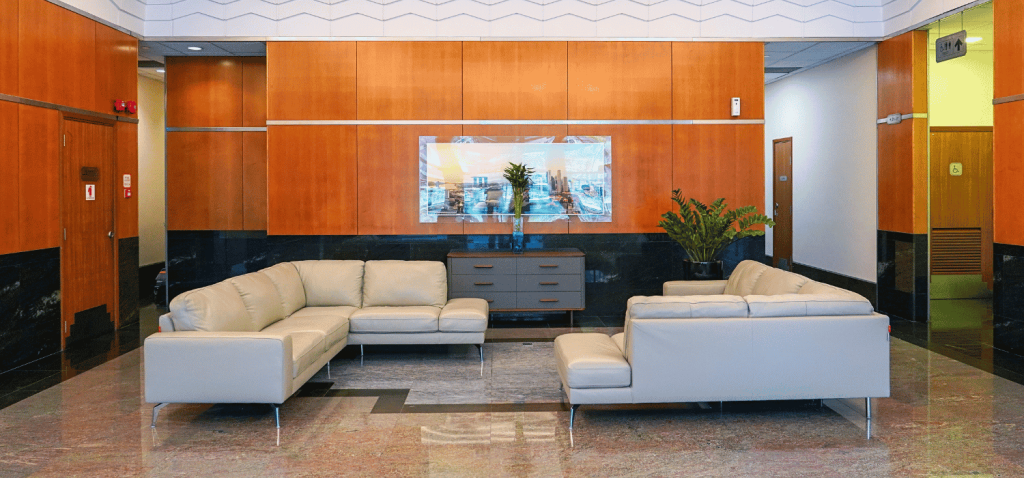
For businesses that need a substantial, professional office environment, our Large Offices provide the space, configuration, and building infrastructure to support a significant team and the client-facing functions that come with it. The building’s professional management, facilities and amenities make it a practical home for growing businesses that have moved beyond serviced offices and need a space they can genuinely build into.
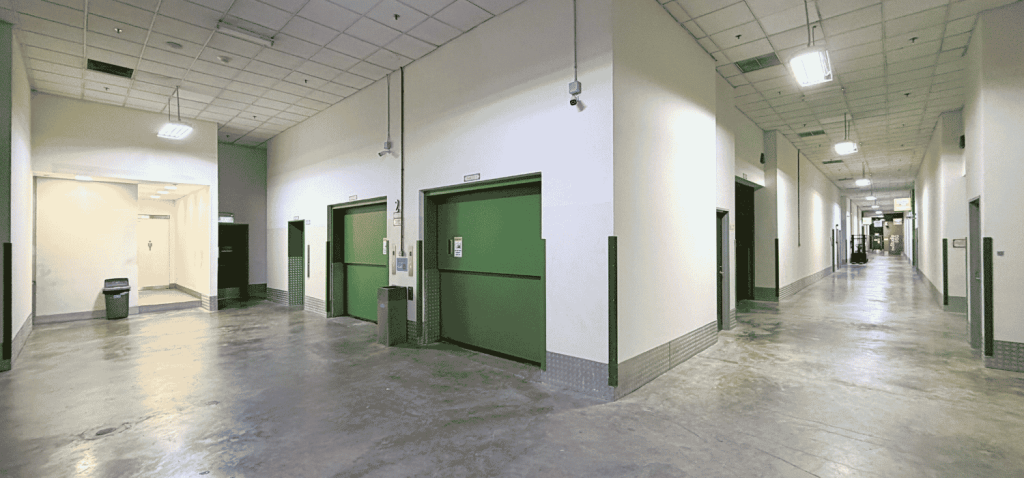
For businesses with serious operational requirements, our warehouses are equipped with the loading infrastructure, ceiling clearance, and floor capacity that high-volume storage and logistics operations depend on. The building’s cargo lifts, loading bays, and vehicle access make it a practical choice for importers, distributors, and fulfillment operations at scale.
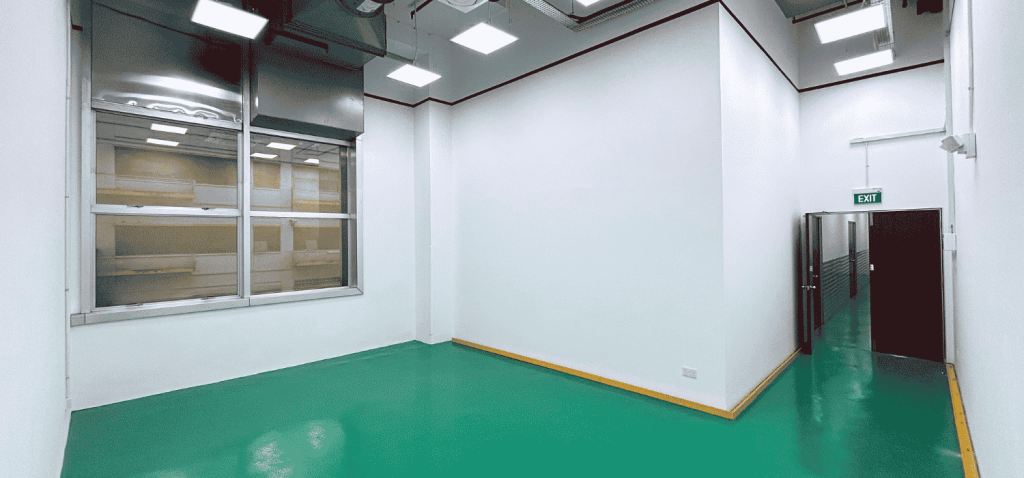
For businesses at an earlier stage of growth that need a hybrid solution rather than a full office or warehouse, our WorkStore units offer a practical combination of workspace and storage within a single tenancy.
And for businesses whose storage needs are more modest, U-Store@SG self storage provides flexible and accessible storage units without the commitment of a full commercial lease.
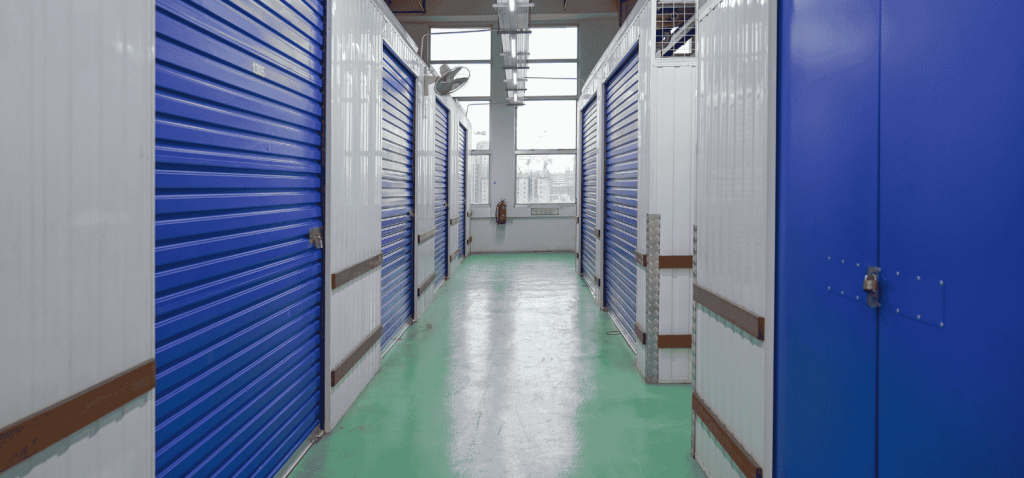
The practical value of having all of these options within one facility is that businesses can scale within the same building rather than facing a full relocation every time their requirements change. Start with the space that fits today, and grow into what you need next without starting the search over from scratch.
The simplest way to frame the large office versus warehouse decision is this: a large office is built for people, and a warehouse is built for operations.
If the primary engine of your business is your team and how they work, collaborate, and serve clients, a large office gives you the environment to do that well. If the primary engine of your business is the movement, storage, and management of physical goods, a warehouse gives you the infrastructure to do that effectively.
If it’s both, you need both, and the smartest approach is to find a facility that can accommodate that combination within a single, well-managed building. Choose based on how your business actually operates, not on assumptions about what kind of business you are. The right space makes a genuine difference.
Ready to explore your options?
Singapore G offers large offices, large warehouses, WorkStore hybrid units, and self storage solutions within a single integrated facility in Singapore. Flexible lease terms, professional on-site management, and full logistics infrastructure to support businesses at every stage of growth.
total area
rent
height
available
5 Loading Bays
4 Cargo Lifts
3.4m Ceiling Height
24/7 Security