
If you’ve been searching for business space in Singapore and found yourself going back and forth between options, you’re not alone.
Warehouse. Self-storage. WorkStore. The terms get used loosely, the listings look similar at first glance, and it’s genuinely easy to end up in the wrong type of space if you don’t understand what each one is actually designed for.
That confusion has real consequences. Businesses that rent a warehouse when they need a storage unit end up paying for far more space than they use. Businesses that opt for basic self-storage when they need an operational setup find themselves working around a space that was never meant for that purpose. And businesses that don’t know WorkStore units exist keep paying for an office and a storage space separately, when a single hybrid unit would do both jobs more efficiently.
This guide breaks down all three options clearly: what each one is, who it’s built for, and how to decide which fits your situation.
Space is one of the more significant overhead costs a business carries, and it has a direct impact on how efficiently the operation runs day to day.
Choose too much space and you’re paying for square footage that adds no value. Choose the wrong type and your workflow bends around the limitations of the space rather than being supported by it. Choose a setup that doesn’t scale and you’ll be back at square one in twelve months.
Understanding the real differences between warehouses, self storage, and WorkStore units is the first step toward making a decision that actually fits your business, not just the one that seemed most familiar at the time.
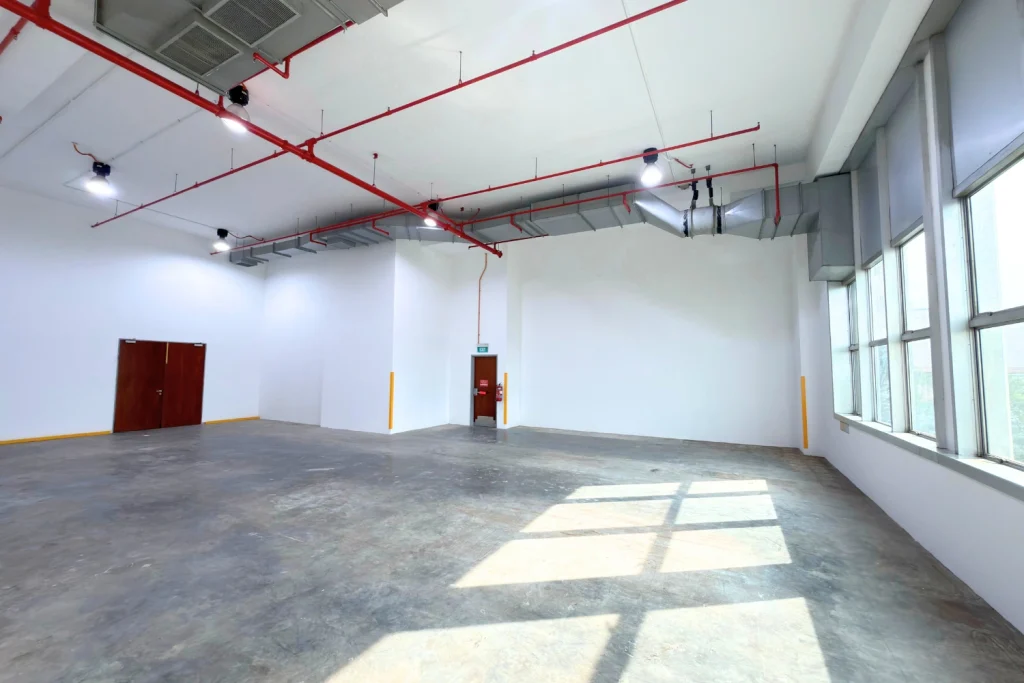
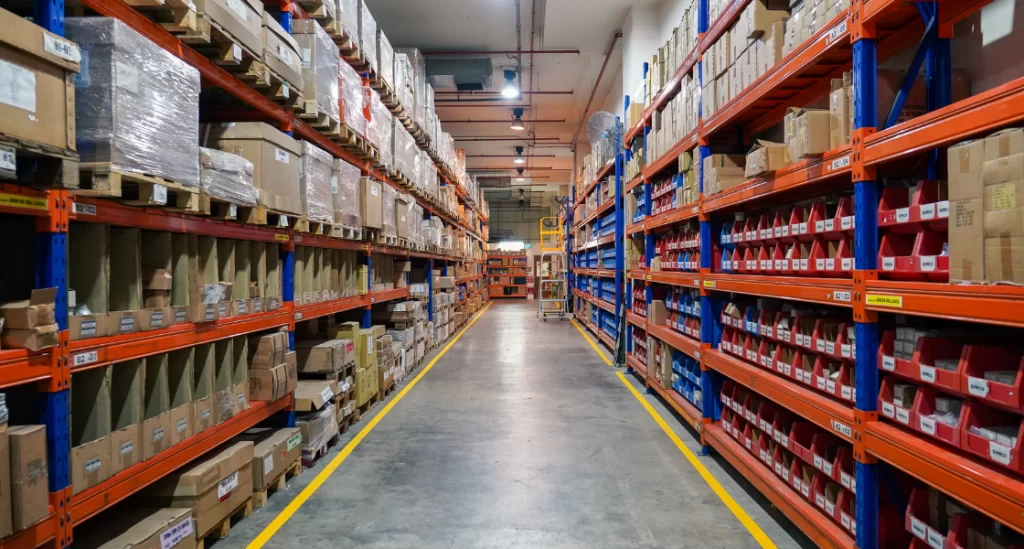
A warehouse is a large-scale industrial space designed for high-volume storage, logistics operations, or light industrial activity. In Singapore, warehouses are typically found in B1 or B2 industrial zones and are built to handle the physical demands of serious goods movement.
Typical features of a warehouse include: high ceiling clearance for racking and vertical storage, wide-span floor areas suited to heavy equipment and pallet operations, dedicated loading bays for trucks and large vehicles, and cargo lift access for multi-storey industrial buildings.
Common users of warehouse space include:
Warehouses are built for scale. They are the right solution when the volume of goods, the frequency of large deliveries, or the nature of the industrial activity genuinely requires that kind of space and infrastructure. They are not typically the right solution for a small team, a growing e-commerce business, or any operation where flexibility and lower cost are priorities.
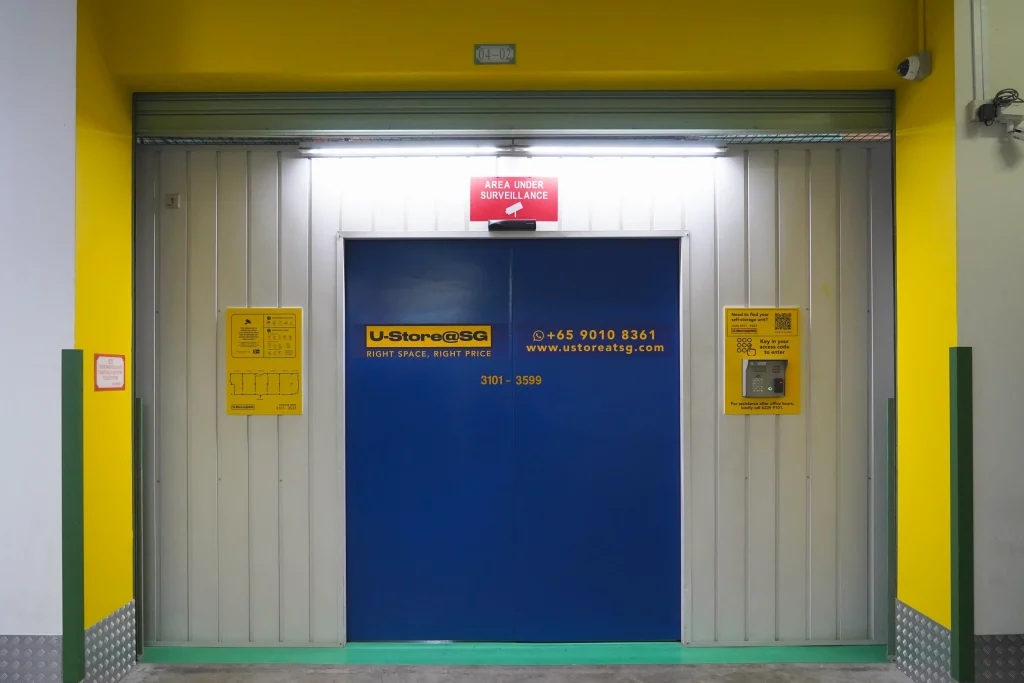
Self-storage refers to individual storage units available for personal or business use, typically on flexible rental terms and in a range of sizes to suit different needs.
Unlike a warehouse, a self-storage unit is not designed for daily operational activity. It is a secure, accessible space where you store things that you need to keep but don’t necessarily need constant access to. The model is straightforward: rent a unit, store your items, access them when required.
Typical features of self-storage include:
Self-storage suits a wide range of users. Households clearing space during a renovation or house move. Small businesses with light overflow storage needs. Retailers holding seasonal stock. Businesses that need to archive documents without keeping them in prime office space. Anyone who needs affordable, accessible storage without the commitment of a large industrial lease.
The key characteristic is simplicity. Self-storage is not built for daily workflows or operational processes. It is built for storing things well, keeping them accessible, and letting you get on with everything else.
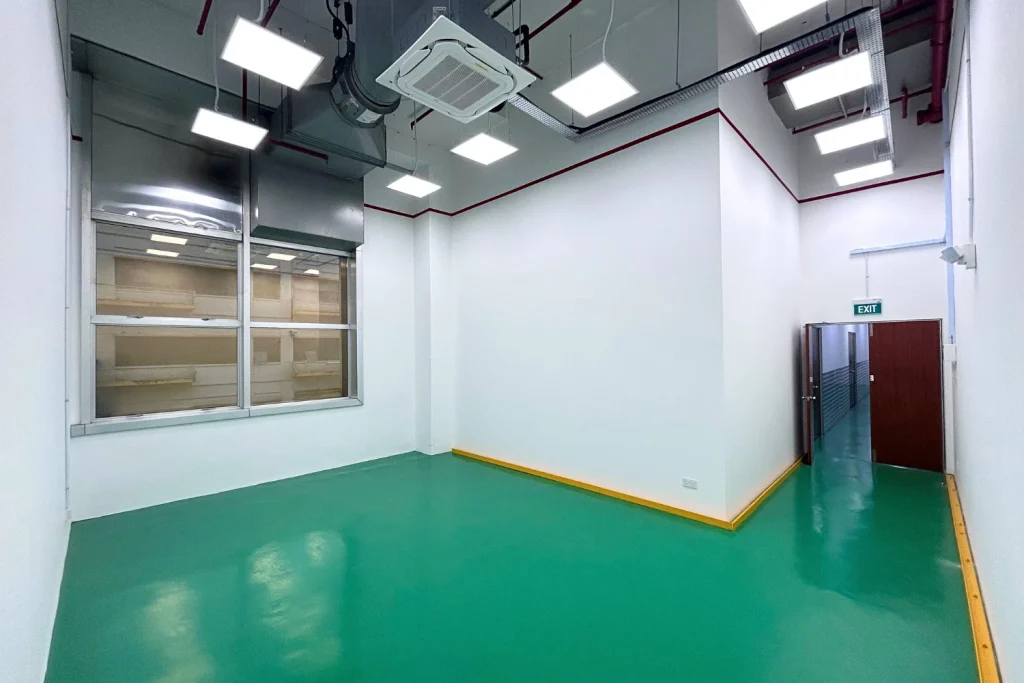
A WorkStore is a hybrid unit that combines a dedicated workspace with an integrated storage area in a single tenancy. It is the option that most businesses with operational needs don’t know exists until they’re already frustrated with the limitations of keeping their office and storage separate.
The concept is straightforward: instead of renting an office in one location and a storage unit or warehouse space in another, a WorkStore gives you both under the same roof, within the same unit, on a single lease. Your admin team works from the office zone. Your inventory, packaging materials, and operational equipment are stored in the adjacent storage area. Everything your business needs to function is in one place.
Typical features of a WorkStore include:
WorkStore units are particularly well-suited to:
Within the Singapore G building, you’ll be able to find all three space types. Here’s how each space compares to one another:
Sizes range from 2000 sqft to 17000 sqft
Units range from 10.76 sqft lockers, medium and large walk-in units to storage containers
Individual work and store units ranging from 125 sqft to 700 sqft
Bulk storage, logistics, and B1 industrial operations
Overflow storage, personal or business
Hybrid: workspace and storage in one unit
Open plan unit allows for workspace configurations
No, communal packing stations accessible
Unit is meant to easily incorporate workspace configurations
Lower: longer leases, higher commitment
High: Short to long-term depending on your needs with discounted rates for longer terms
High: flexible terms starting from just one month
24/7 secure access, direct cargo lift/loading bay access
24/7 access with unique PIN code
24/7 secure access, direct cargo lift/loading bay access
Significant
Zero to minimal
Minimal
High-volume operations, SMEs & MNCs needing warehouse space
Short or long-term storage needs for individuals or businesses
Operational SMEs, e-commerce
Higher
Lower
Mid-range, replaces two leases
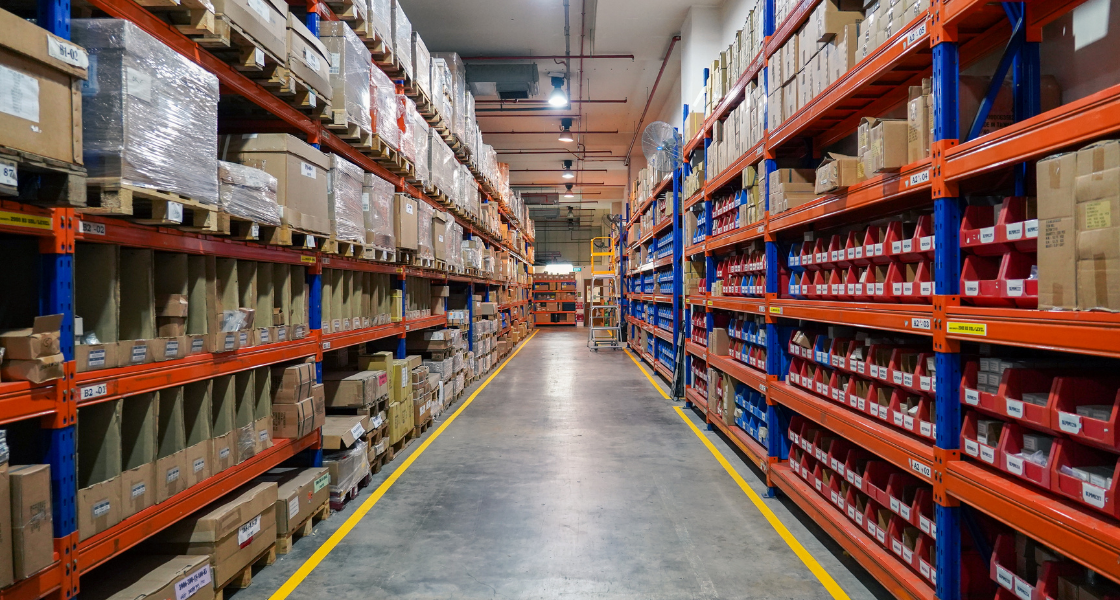
A warehouse makes sense when the scale of your operation genuinely requires it.
If you’re managing thousands of product units across multiple SKUs, running a logistics or distribution operation with frequent large-volume inbound and outbound movements, or operating any kind of light industrial or manufacturing process, warehouse space is the appropriate infrastructure. The investment in a larger, purpose-built industrial space is justified when the volume of activity is there to support it.
Where warehouses are often the wrong choice: small businesses and startups that are drawn to the size or the loading infrastructure but don’t yet have the inventory volumes to fill the space, businesses with shorter-term or seasonal needs who will end up locked into a lease that outlasts the requirement, and any business where the operational and admin functions are small enough to be combined in a hybrid unit.
Warehouses are a high-capacity, high-commitment solution. They’re the right answer when you genuinely need that capacity, and the wrong one when you don’t.
Self-storage is the right choice when your need is primarily about storing things, rather than working from a space or running operational processes within it.
It suits businesses that have overflow inventory that doesn’t need daily access, archived documents and files that need to be kept but not regularly consulted, seasonal stock that only moves a few times a year, or equipment and supplies that are used occasionally rather than constantly. It also suits the early stages of a business, when storage requirements are modest and flexibility is more important than capacity.

Self storage may not be suited to businesses that need to work from their storage space, that require daily access to large quantities of goods, or that have outgrown a simple “put it somewhere accessible” model and need something with more operational infrastructure.
Think of self storage as an organised, secure extension of your business rather than a base for it. When that’s what you need, it’s an affordable and practical option.
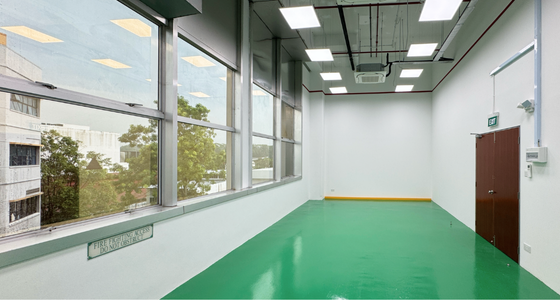
A WorkStore is the right choice when your business genuinely needs both a workspace and storage, and when running them from separate locations is creating friction, cost, or inefficiency.
The clearest indicator is the split-location problem. If you or your team regularly travels between an office and a separate storage or fulfillment space to complete daily tasks, you’re already absorbing the cost of that inefficiency, in time, in transport, and in the coordination overhead that comes with managing two premises. A WorkStore eliminates all of that.
It is particularly well-suited to e-commerce businesses where the same person or small team is handling orders, packing, dispatch, and customer communications. It works well for distributors and wholesalers who need accessible inventory alongside admin and order management. It suits any SME where the operational and desk-based functions of the business are closely linked and benefit from being physically co-located.
The WorkStore model also tends to compare favourably on total cost when set against the combined expense of a separate office and storage unit. One lease, one location, one building relationship, and a daily workflow that doesn’t require movement between sites.
The cheapest option rarely accounts for the full operational picture. A low-cost storage unit that requires a long travel time every time you need to fetch stock to your office is not actually cheaper than a WorkStore unit where everything is on-site.
Warehouse space is tempting when it feels like it solves the problem once and for all. But paying for capacity you don’t yet use is a real monthly cost, and long lease terms make it hard to correct.
A solution that fits today’s needs precisely may leave no room for the next six months. Factor in where your inventory volumes, team size, or operational requirements are heading.
Self storage is for storing things. If you need to work from the space, run a packing operation, or access goods daily as part of your workflow, you need a different solution.
For any business moving goods regularly, the loading infrastructure, cargo lift access, and proximity to major roads matter as much as the space itself. A great unit in a building with poor logistics access creates a daily operational problem.
Work through these questions before you commit to anything:
Furniture and household items, business inventory, equipment, documents. The nature of what you're storing shapes the type of unit and environment you need.
Daily operational access requires a different setup from occasional retrieval. If you're accessing your storage space multiple times a day as part of your workflow, a WorkStore is more appropriate than a standard storage unit.
If the answer is yes, a WorkStore is worth serious consideration. If the answer is no, self storage may be sufficient.
If your inventory volumes, team size, or operational needs are growing, factor that into your decision now rather than being forced back into a space search in six months.
Add up the total cost of the options you're comparing. A WorkStore that replaces two separate leases often costs less in aggregate than the alternative it's replacing.
The growth of e-commerce, direct-to-consumer businesses, and small-team operations in Singapore has created a large category of businesses that don’t fit neatly into the traditional office or warehouse model.
These are businesses where one or two people are simultaneously managing customer relationships, handling inventory, packing orders, and running the administrative side of the operation, all within the same working day. Splitting those functions across two locations has always been inefficient. The WorkStore model simply makes the alternative easier to access and more affordable to sustain.
The broader trend toward flexible, right-sized solutions reflects a shift in how SMEs think about overhead. Long commitments and large fixed costs made sense when businesses were built to stay the same shape for years.
Modern SMEs need to stay nimble, and their workspace model needs to support that. Contact our team to enquire about available WorkStore units.
Singapore G brings all three of these options together within one facility, which means businesses can find the right solution at their current stage and scale within the same environment as their needs change
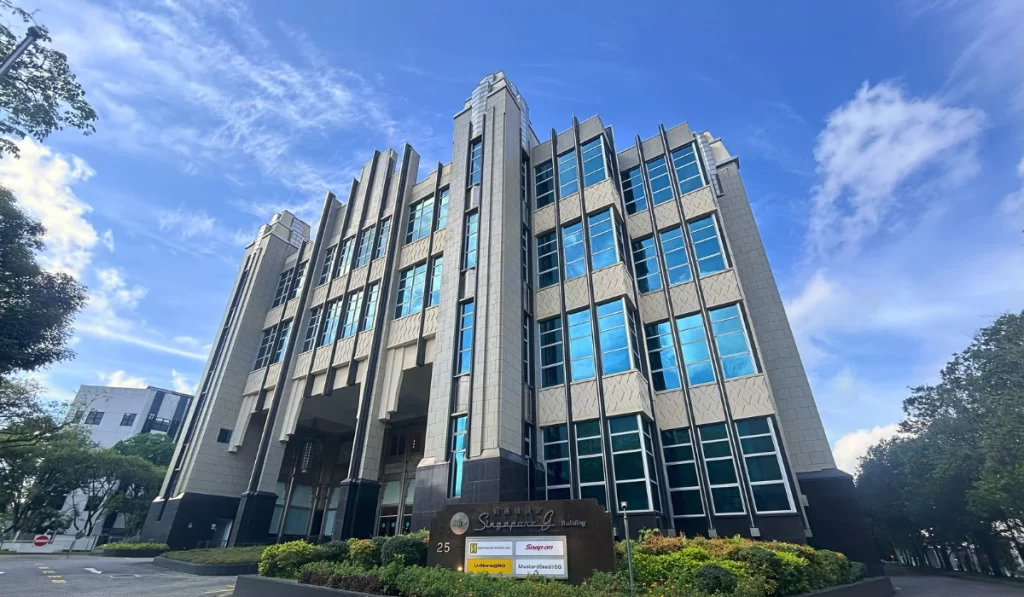
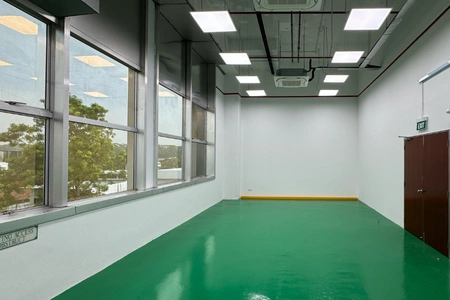
U-Store@SG offers flexible self storage for individuals and businesses with overflow or light storage requirements. Units come in a range of sizes, with air-conditioned and non-air-conditioned options, on accessible and flexible terms.
MustardSeed@SG WorkStore units serve operational SMEs and e-commerce businesses that need both workspace and storage in a single, efficient setup. The same building infrastructure handles the logistics requirements that operational businesses depend on.
Singapore G Warehouses are available for businesses that have grown to the point where scale and industrial-grade infrastructure are the priority.
The practical value of having all of this within one building is that growth doesn’t require relocation. A business that starts in a self storage unit, transitions to a WorkStore as it scales, and eventually moves into a larger operational space can do all of that within Singapore G, maintaining the same address, the same management relationship, and the same logistics infrastructure throughout.
Start where you need to. Grow without having to start over.
The practical value of having all of this within one building is that growth doesn’t require relocation. A business that starts in a self storage unit, transitions to a WorkStore as it scales, and eventually moves into a larger operational space can do all of that within Singapore G, maintaining the same address, the same management relationship, and the same logistics infrastructure throughout.
Start where you need to. Grow without having to start over.
The answer depends entirely on what your business actually needs, not on what’s most familiar or what appears cheapest at first glance.
Warehouse:
Right for high-volume, logistics-heavy, or industrial operations that need scale and purpose-built infrastructure.
Self storage:
Right for individuals and businesses with simple, flexible overflow storage needs that don’t require a workspace or daily operational access.
WorkStore:
Right for operational SMEs, e-commerce businesses, and any business currently running admin and storage from two separate locations when one integrated unit would do both jobs better.
When you match the space to how your business actually operates rather than just how much space you think you need, the right choice tends to become clear.
Not sure which space is right for your business?
Singapore G offers self-storage (U-Store@SG), WorkStore hybrid units (MustardSeed@SG), and larger warehouse and operational spaces within one facility in Singapore. Flexible lease terms, professional management, and logistics infrastructure to support businesses at every stage.
total area
rent
height
available
5 Loading Bays
4 Cargo Lifts
3.4m Ceiling Height
24/7 Security