
There’s a version of this story that most business owners know well.
It usually starts small. A few extra boxes stacked in the corner. Stock that spills out of the storeroom. A new hire sharing a desk because there’s no other option. None of it feels like an actual crisis – just one of those things you keep meaning to sort out.
Then one day you realise the clutter has quietly become the norm. Your team has resorted to working around the problem instead of solving it. Orders are taking longer to process. A good opportunity came up recently and you had to pass on it because you simply didn’t have the capacity.
Most businesses don’t outgrow their space all at once. The gradual pace of outgrowth is why so many SMEs end up carrying the operational drag of an undersized space for far longer than they should.
This article will help you recognise the signs that your business has already outgrown its current setup and give you a clear picture of what you can do about it.
Space is usually treated as a cost line. Pay as little as possible, use what you have, make it work.
But the right space – properly sized, properly configured, in the right location – is an operational asset. It directly affects how efficiently your team works and how smoothly your logistics flow. It is capable of changing how your business looks to clients, and how quickly you can respond to growth opportunities.
Poor space creates bottlenecks that aren’t always obvious until you try to trace why things are slower, messier, or more frustrating than they should be. A cramped office, a storeroom that’s perpetually overflowing or a layout that forces your team to work around the space rather than within it. All of these things have a real cost that doesn’t appear as a line item on your P&L but absolutely shows up in output, morale, and missed opportunity.
Space isn’t just a cost. It’s an investment in your ability to operate and grow effectively.
There’s a difference between a busy workspace and a cluttered one. A busy workspace has energy and activity. A cluttered one has boxes on the floor, items piled on surfaces that should be clear, and a general sense that the space is holding more than it was designed to.
If you or your team regularly works around piles of things (if “clearing a space to work” is part of the daily routine) that’s not a tidiness problem. It’s a space problem.
The impact is more significant than it looks. Clutter increases cognitive load, makes it harder to locate things quickly, and creates a working environment that subtly (and sometimes not so subtly) raises stress levels. Over time, it becomes the background noise of your operation: always there, always slightly in the way.
What to do: Start with a practical declutter and assess what genuinely needs to be on-site versus what could be stored elsewhere. Business overflow such as seasonal stock, archived files, equipment used infrequently, is exactly what dedicated self-storage or a hybrid WorkStore unit is designed to handle.
Removing clutter from your working environment often has an immediate and noticeable effect on how the space feels and functions.
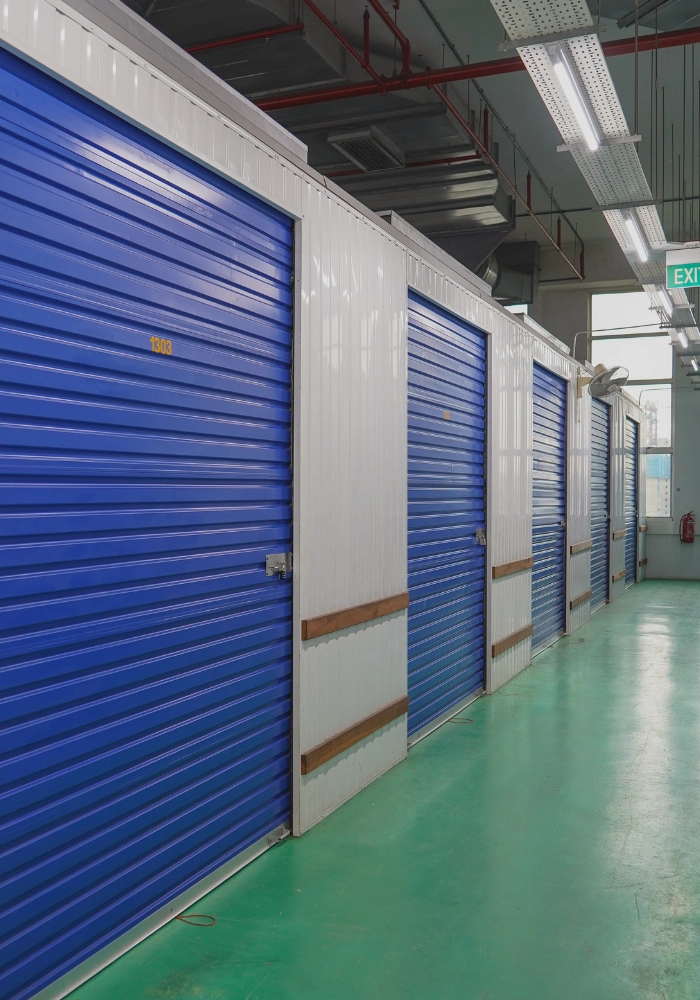
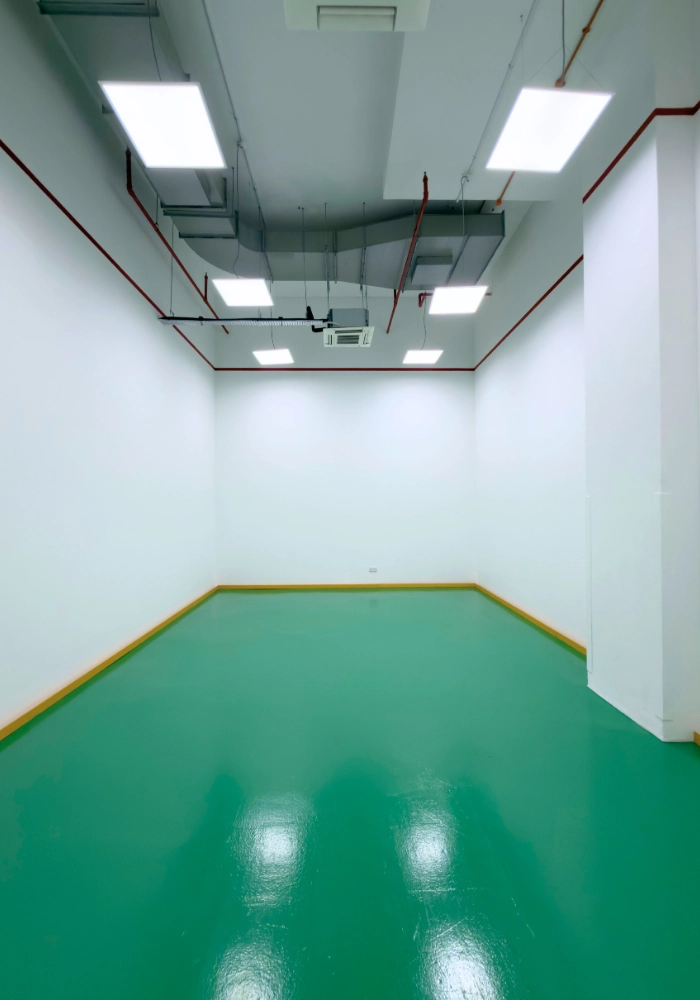
When inventory starts appearing in hallways, under desks, in the kitchen, or, at the more extreme end, in someone’s spare bedroom or car boot, something might have gone structurally wrong with your space planning.
The same applies to equipment: machinery, display materials, sample products, packaging supplies, or anything else that’s operational but doesn’t have a proper home. When these things are scattered across a space that wasn’t designed to hold them, the consequences compound quickly: items get damaged, stock becomes hard to track, fulfillment slows down and the risk of errors in orders or shipments increases.
For businesses that deal in physical goods (and this applies equally to a distributor managing hundreds of SKUs and a small online seller managing dozens), inventory storage isn’t a secondary concern. It’s a core operational requirement.
What to do: Moving inventory to a dedicated storage solution removes it from your working environment and gives it the space, organisation, and accessibility it needs.
Scalable storage options like self-storage units to larger warehouse-style spaces allow you to size the solution to your current needs while retaining the flexibility to expand as volumes grow.
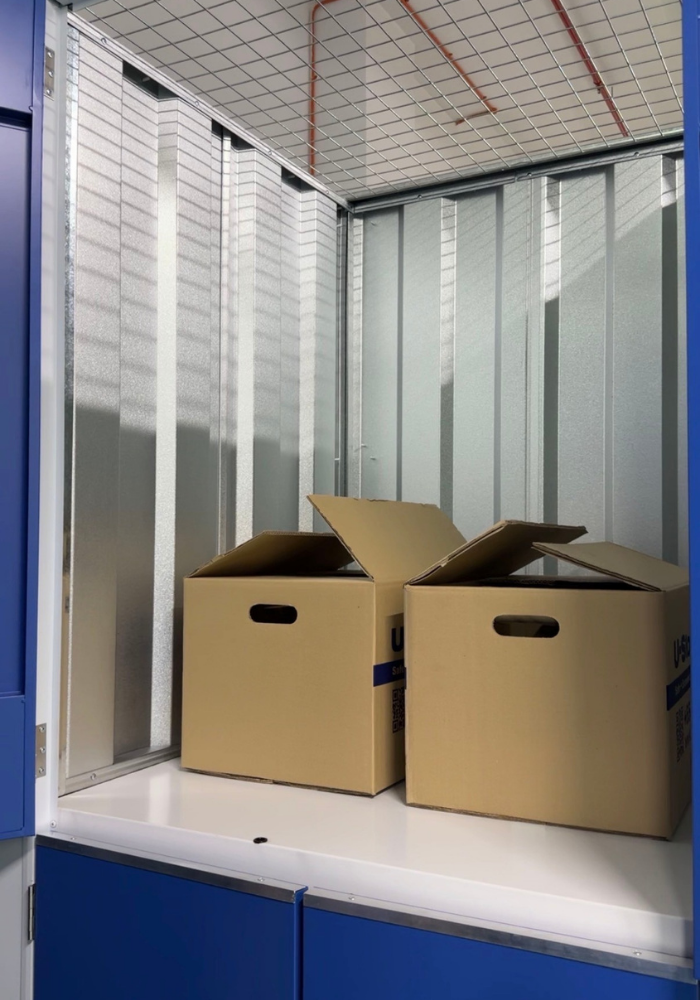
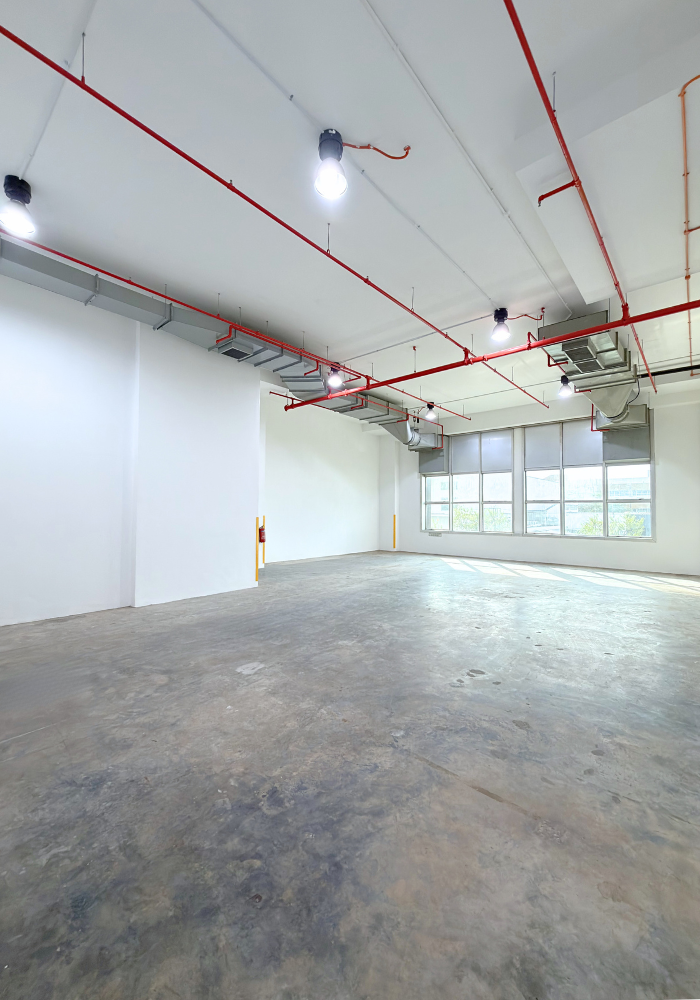
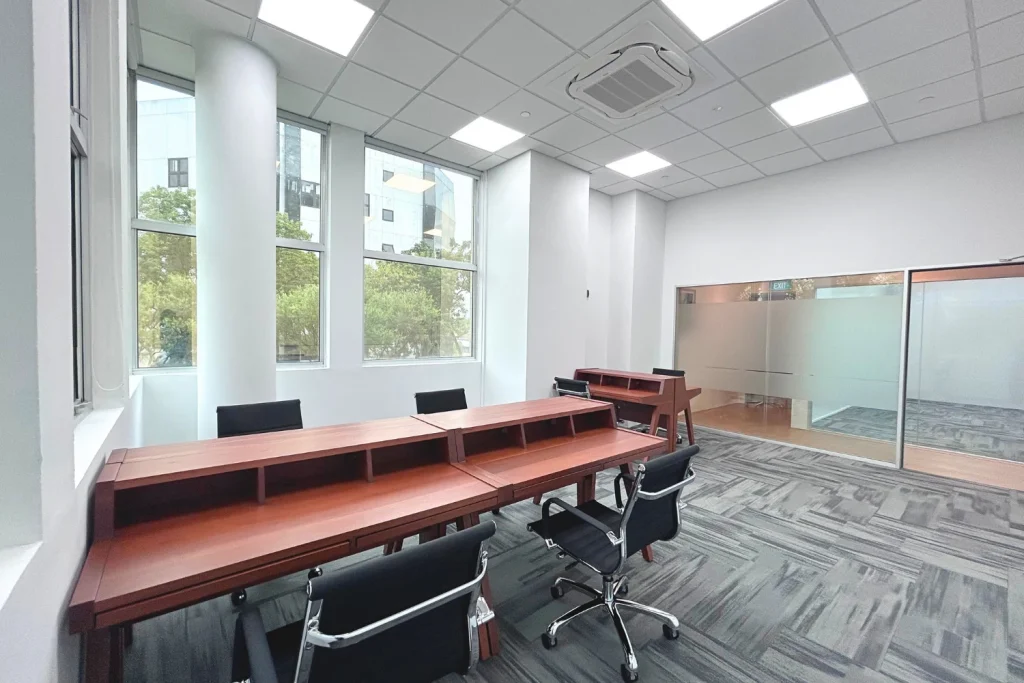
Shared desks. Meeting calls taken in stairwells. New hires sitting in configurations that weren’t designed for two people. If any of this is familiar, your headcount has outrun your footprint.
An office that’s too small for its team creates problems that go beyond the obvious physical discomfort. Noise and distraction reduce focus and output quality. The lack of private space makes sensitive conversations: client calls, HR matters, strategic planning, unnecessarily complicated. A cramped and disorganised onboarding environment sets a tone about the business that may take effort to undo.
Employee experience is a real factor in retention, and the physical environment people work in every day is part of that experience. It’s a dimension that often gets underweighted until productivity levels start seriously dropping.
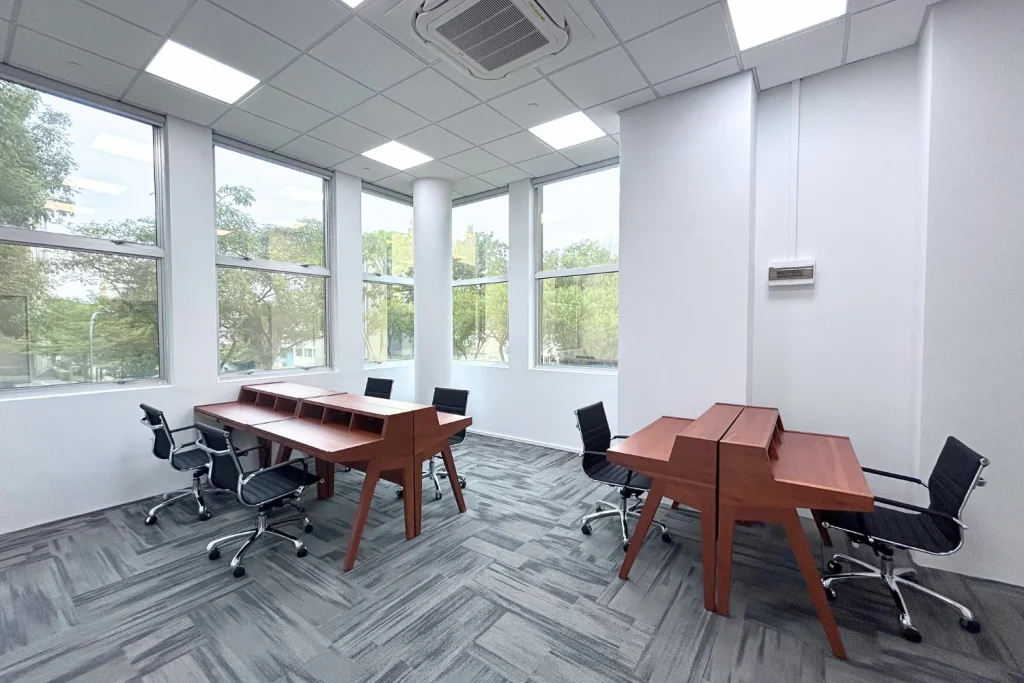
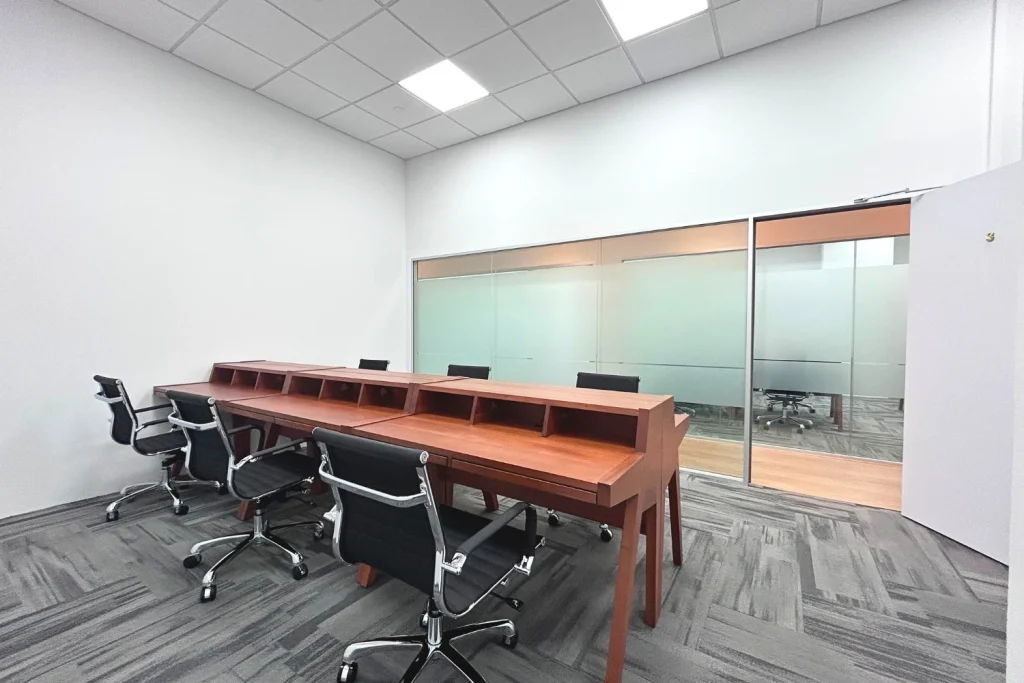
What to do: If your team has grown beyond what your current office comfortably supports, a larger or more flexible serviced office setup is the logical next step. Serviced offices allow you to upsize without the commitment and cost of a new long-term lease.
The right building will let you scale within the same environment as you continue to grow.
This sign is the subtlest of the five, but it’s often the most expensive.
It shows up as friction: things that should take five minutes taking twenty. Staff spend meaningful time moving items between locations, searching for things that should be easy to find, or navigating a workflow that simply doesn’t fit the layout of the space. A packing operation running out of a space that wasn’t designed for it. An admin team sharing a floorplan with operational activity that generates noise, movement, and disruption.
When your space and your workflow aren’t aligned, the mismatch creates drag across everything and accumulates daily.
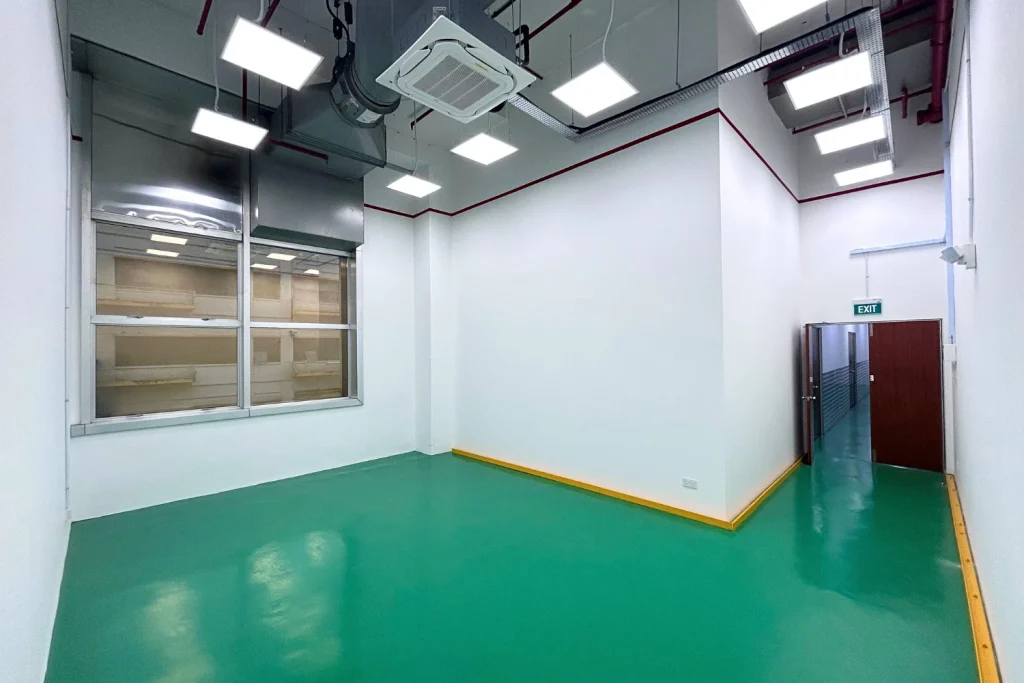
What to do: This is where a purpose-built space makes the most tangible difference. A hybrid WorkStore unit, combining office and storage in a single, configured environment, eliminates the split-location friction that many operational SMEs carry.
A properly-sized serviced office removes the cramped-desk bottlenecks. The right space, matched to how your business actually operates, tends to have an almost immediate effect on how efficiently the work flows.
This is the sign that most directly translates into revenue and it’s the one that should prompt the most urgent response.
A new contract comes up that would require holding more inventory. A potential client wants to visit your premises, and the reality of your current space is something you’d rather they didn’t see. You could take on more orders, but your fulfilment capacity is already stretched. A key hire is available, but there’s genuinely no desk to put them at.
When your space has become the limiting factor in what your business can take on, it has stopped being a background issue and become a direct constraint on growth. Every opportunity you pass on because of capacity is revenue you’re leaving on the table.
What to do: Flexible space solutions like serviced offices, WorkStore units and scalable storage are specifically designed to let you expand capacity without the long-term commitment that used to make scaling up a high-stakes decision.
You don’t need to sign a three-year lease on a space twice your current size to solve a growth constraint. You need a solution that’s sized for where you’re going in the next 12 to 18 months, with the flexibility to adjust from there.
The right solution depends on the nature of your space problem. Here’s how the main options map to different business needs:
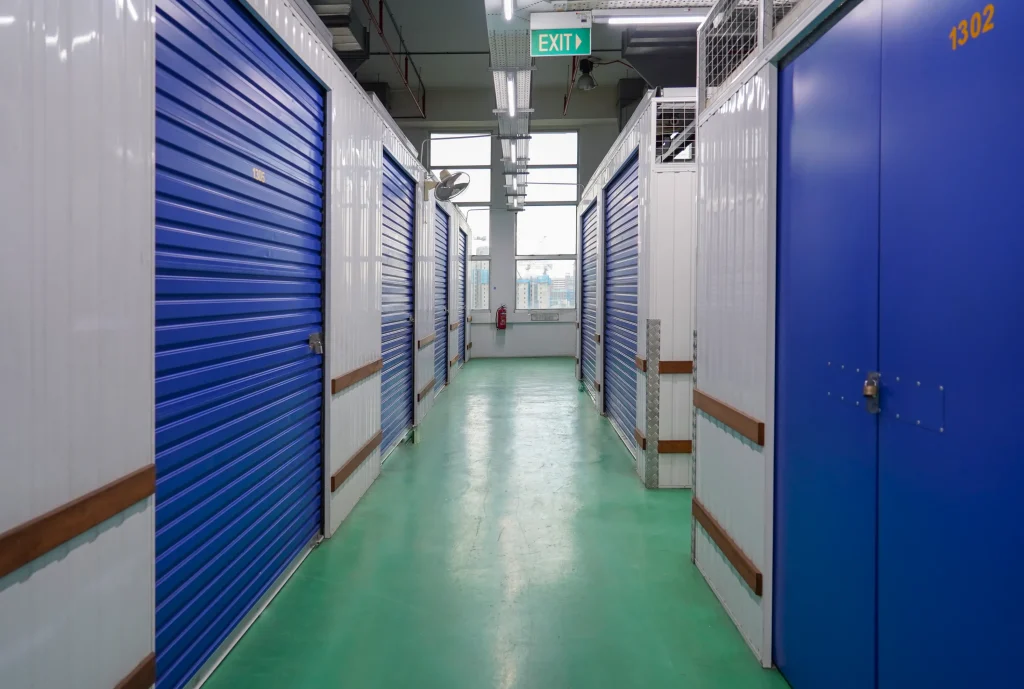
Self-Storage
Best for: overflow inventory, archived files, seasonal goods, equipment that’s needed occasionally but not daily. Self-storage is a practical, cost-effective way to free up your primary workspace without a major operational change.
WorkStore (Hybrid Office + Storage)
Best for: operational SMEs, e-commerce businesses, and product-based companies that need both a working admin environment and accessible storage under the same roof. Removes the split-location friction that undermines efficiency.
Serviced Offices
Best for: growing teams that have outrun their current office setup. Move-in-ready, flexible lease terms, and scalable within a managed building environment.
Warehouse / Larger Operational Spaces
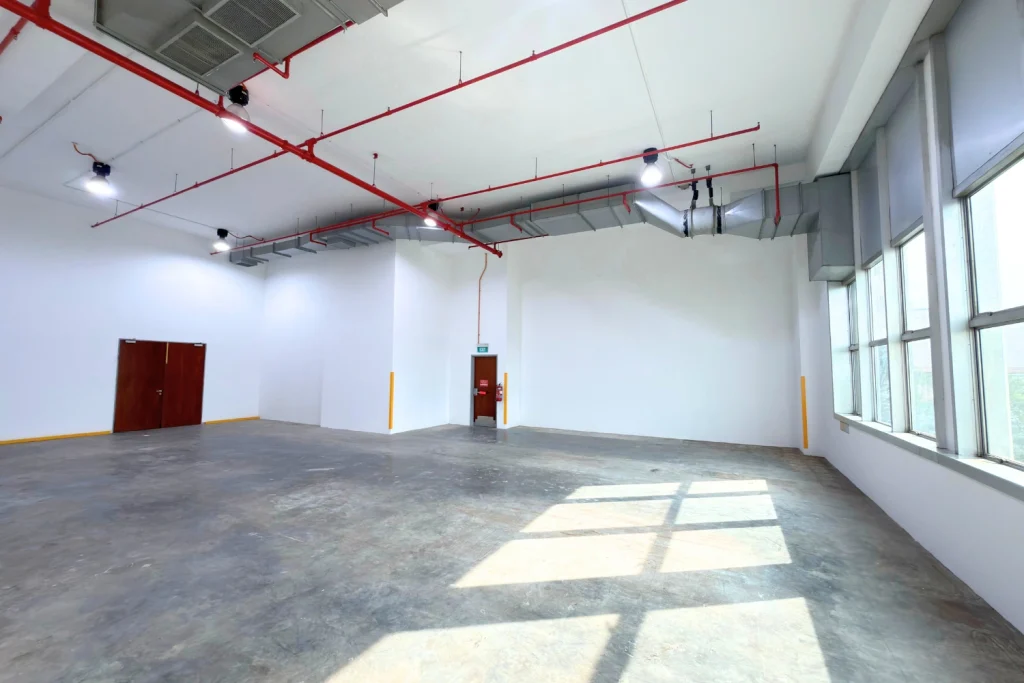
Best for: businesses with significant inventory volumes, distribution operations, or light industrial activity that requires industrial-zoned space and logistics infrastructure.
The best solution isn’t always a single category. Some businesses benefit from combining solutions. A growing e-commerce operation, for example, might need a WorkStore for day-to-day operations alongside additional dedicated storage as inventory volumes increase.
Once you’ve identified that a space upgrade is needed, the practical question is: what exactly do you need?
A quick checklist to work through:
Size and Headroom
What does your business need today and where is it likely to be in 12 to 24 months?
Build in enough room to grow without immediately outgrowing your new setup.
Type of Usage
Is this primarily office space, storage, operational/fulfilment, or a combination? The type of activity determines the type of space.
Getting this wrong is one of the most common upgrade mistakes.
Accessibility
For operational businesses, the logistics of getting goods in and out matter as much as the space itself.
For office teams, proximity to transport and/or ease of commute can contribute to better productivity levels.
Budget and cost structure Look at total cost of occupancy, not just monthly rent.
Factor in what’s included (utilities, maintenance, facilities), what’s charged separately, and what flexibility exists
to exit or adjust if circumstances change.
Scalability
Can you grow within the same building or with the same provider?
The ability to scale incrementally rather than having to relocate every time your needs change is worth a meaningful premium.
Waiting too long to act
By the time the space problem feels urgent,
it’s usually been affecting your operations for months.
Act on the early signs, not the crisis.
Overcommitting to long leases
A three-year lease on a space that fits today
might be a significant constraint in eighteen months.
Prioritise flexibility, especially in growth phases.
Choosing on price alone
The cheapest option rarely accounts for the
operational friction of poor access, inadequate
infrastructure, or rigid terms.
Total value is the right measure.
Ignoring future growth
A space that fits perfectly right now may not
fit at all in six months. If your business is in a
growth phase, build headroom in rather than
optimising for today’s headcount or inventory level.
Singapore’s business environment moves fast. Client demands change. Teams grow and sometimes contract. Inventory volumes fluctuate with seasons and market conditions. An office setup that was right eighteen months ago may genuinely not be right today.
The traditional model: sign a long lease, commit to a fixed space, absorb the cost regardless of whether it fits, is a high-risk approach for any SME navigating that kind of variability.
Flexible space solutions reduce that risk significantly. The ability to scale up when opportunity presents itself, or scale down when conditions tighten, without punishing lease penalties or major capital outlay, is a genuine competitive advantage for a lean business. In a market where agility matters, your workspace model should support agility rather than work against it.
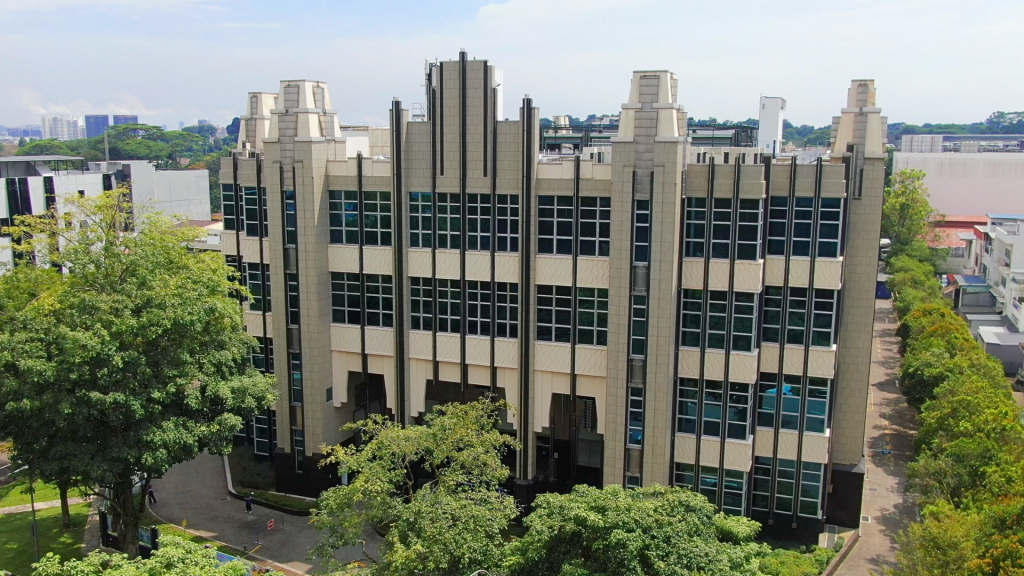
Singapore G was built around a straightforward observation: growing businesses don’t always need just one type of space and they shouldn’t have to manage multiple providers, multiple locations, and multiple leases to get what they need.
Our facility brings together U-Store@SG Self-storage, MustardSeed@SG serviced offices, WorkStore units and ColdStore units, as well as Singapore G larger offices and warehouses under one roof.
Whether you’re a household clearing space for a renovation, an SME that’s outgrown its current office, an e-commerce business in need of a proper fulfilment setup, or a distributor managing serious inventory volumes, the solutions are available here, with the flexibility to combine them as your needs evolve.
As your business grows, you can scale within the same building rather than starting the search over from scratch. That continuity of location, management and logistics infrastructure, has real operational value that’s easy to underestimate until you’ve experienced the alternative.
The signs are usually visible well before the problem becomes critical. Persistent clutter. Inventory spilling into spaces it shouldn’t occupy. A team that’s working around the space rather than within it. Operations that are slower and less efficient than they should be. Opportunities you’re turning down because the capacity simply isn’t there.
None of these have to be permanent. And none of them require a major, long-term commitment to fix. The right move is to act early, choose flexibly, and match the solution to where your business is actually going – not just where it is today.
Need more space for your business?
Singapore G offers self-storage, serviced offices, WorkStore hybrid units, and warehouse spaces in Singapore – all under one roof, on flexible lease terms. Built for businesses at every stage of growth.

total area
rent
height
available
5 Loading Bays
4 Cargo Lifts
3.4m Ceiling Height
24/7 Security